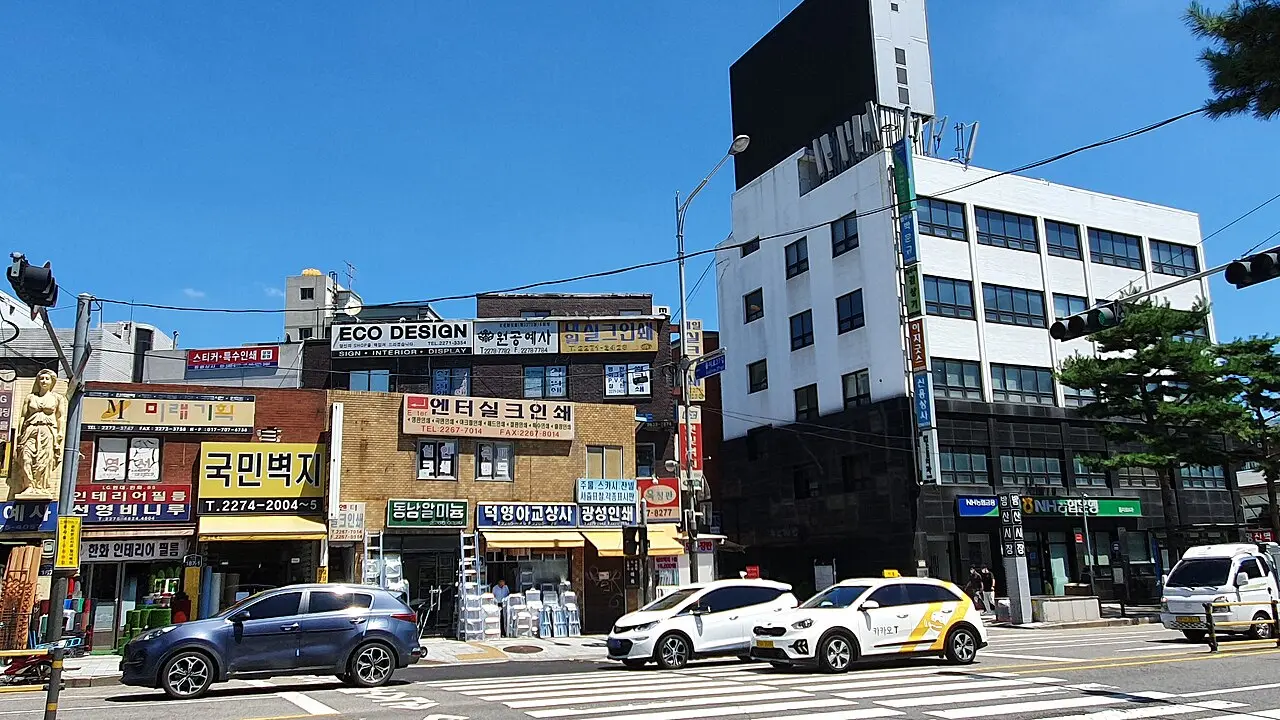
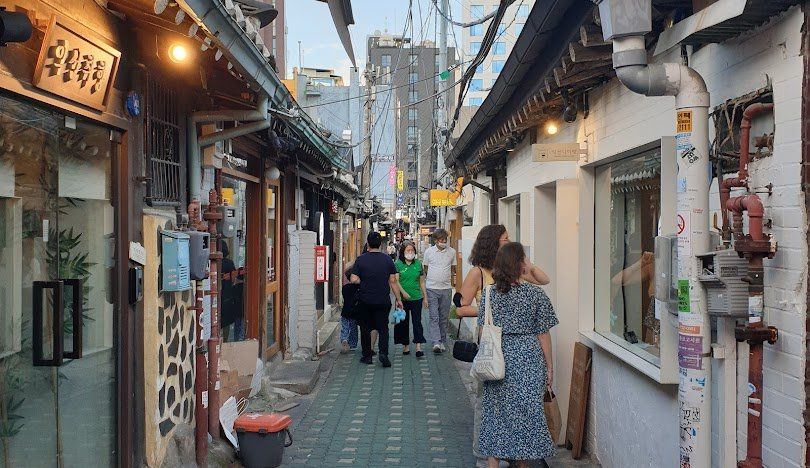
If you only have one afternoon to soak up "old Seoul" — to drink traditional tea, browse Korean ceramics, watch a calligraphy master work, and wander between hanok-style craft shops — that afternoon should be in Insadong (인사동). The narrow main street and surrounding alleyways make up Korea's most celebrated traditional culture district, and despite being firmly on every tourist itinerary, it remains genuinely worth the visit.
This is the complete 2026 guide.
Quick Facts
- What: Seoul's traditional craft, tea, and antique district
- Where: Jongno-gu, central Seoul (between Gyeongbokgung and Cheonggyecheon)
- Subway: Anguk Station (Line 3), Exit 6 — directly into Insadong main street
- Open: Streets 24/7; shops 10 AM – 8 PM (varies)
- Best time: Weekday afternoons or Sunday for the pedestrian street
- Time to spend: 2–3 hours
What Insadong Is Famous For
- Korean traditional crafts: ceramics, hanji paper, brushes, fans, masks, hanbok accessories
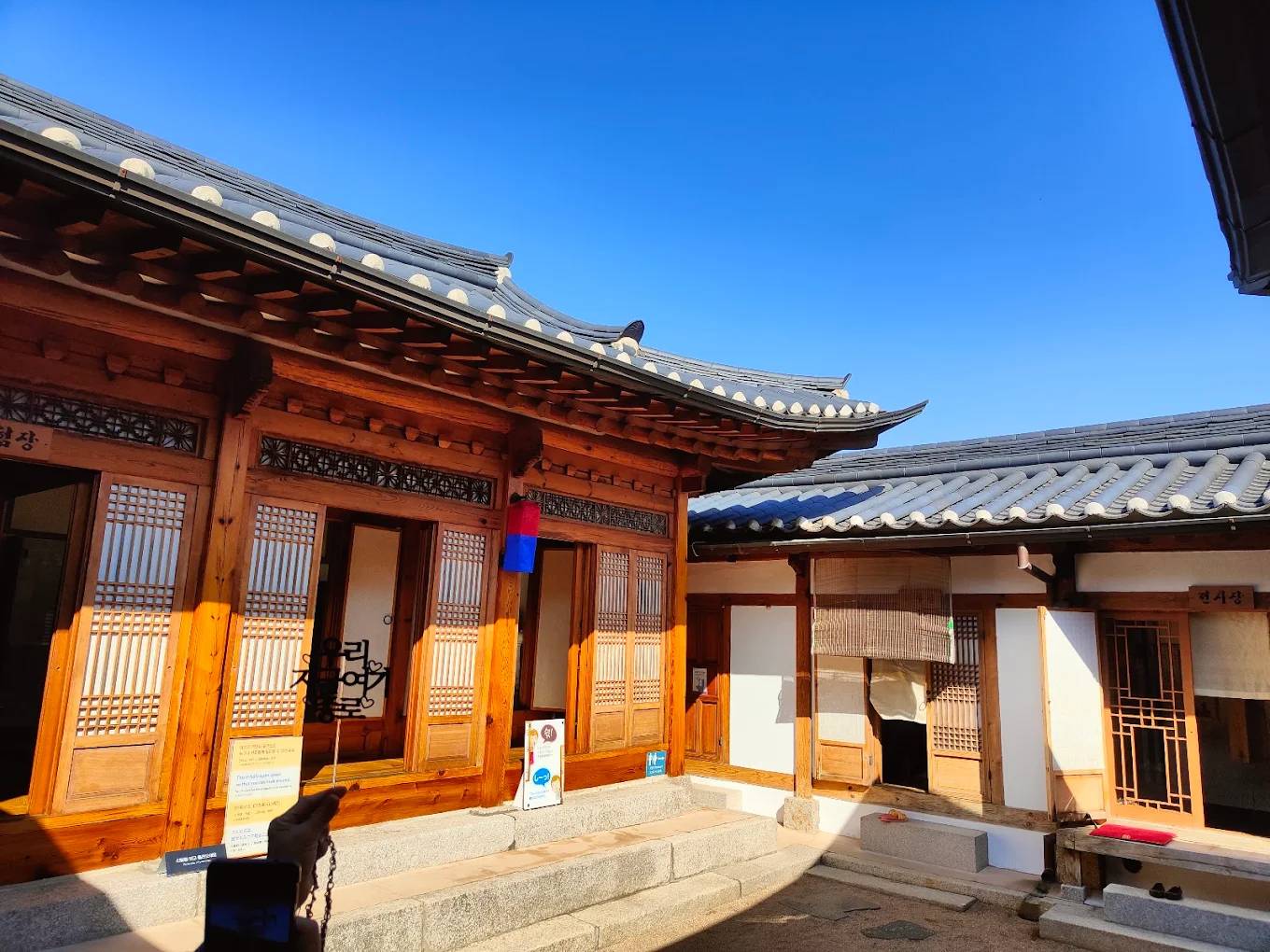
- Traditional teahouses in restored hanok homes
- Antiques and old Korean art
- Galleries — both indie and major Korean modern art
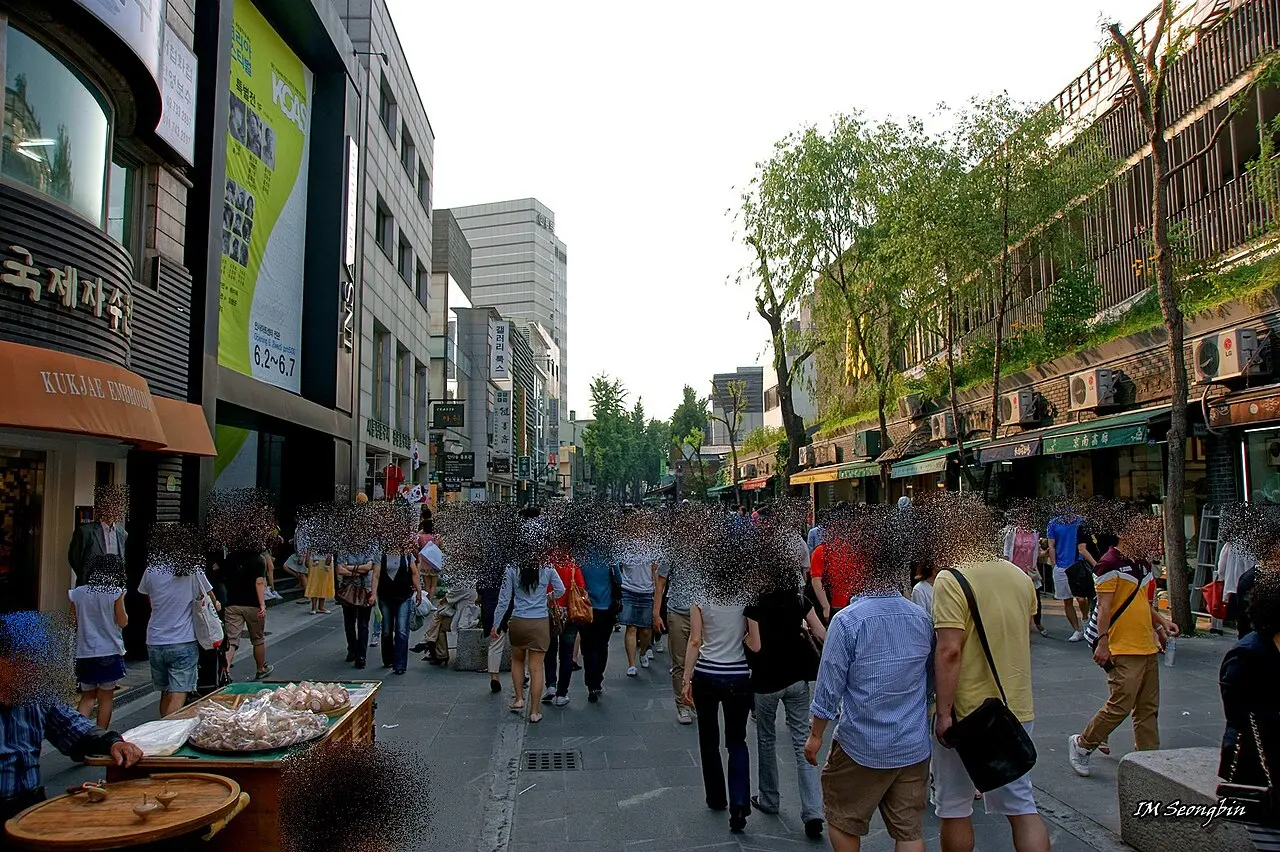
- Pedestrianized weekends — the main street closes to cars on Sundays
- Ssamzigil mall — the neighborhood's iconic spiral craft mall
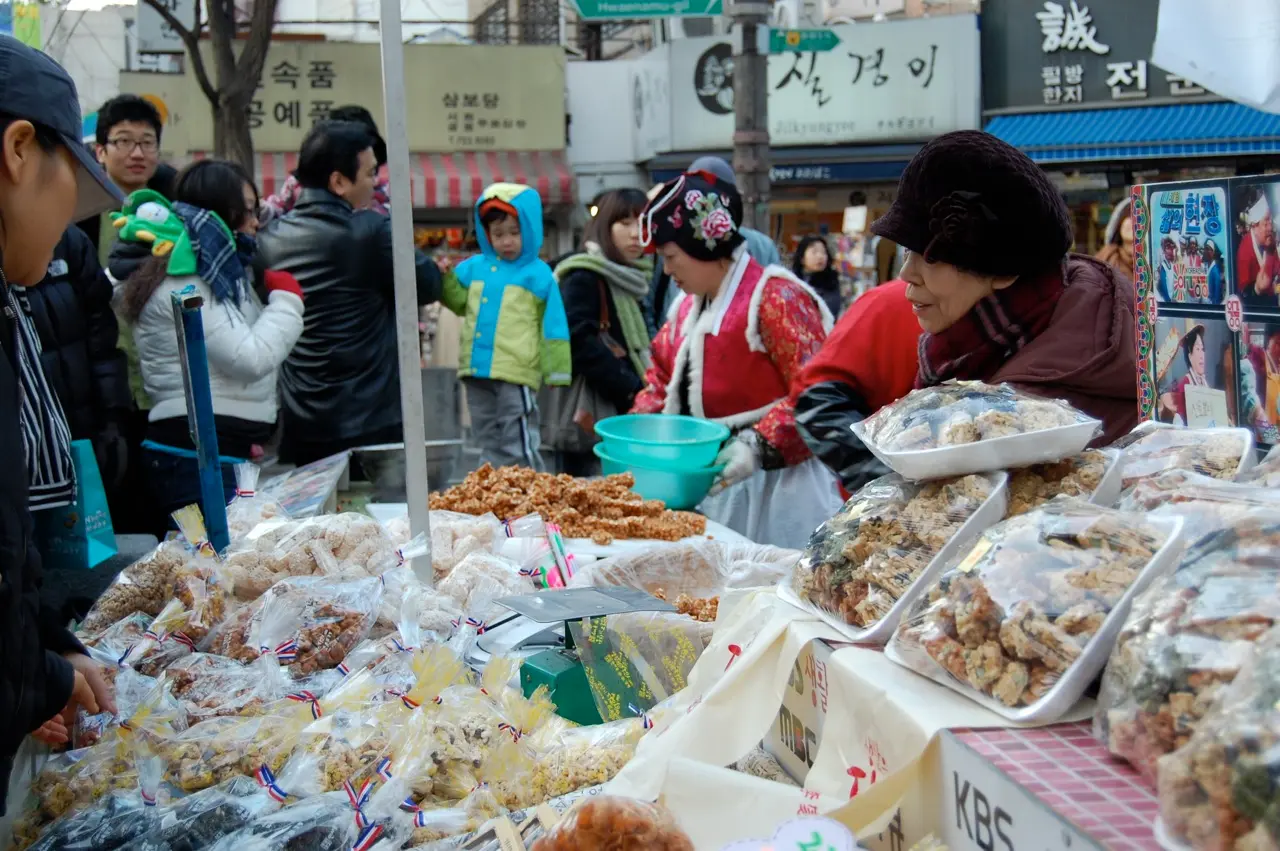
- Sweet rice and traditional snacks — kkultarae (dragon's beard candy), jeonggwa (preserved fruit), poo-shaped pastries
How to Spend a Perfect Afternoon
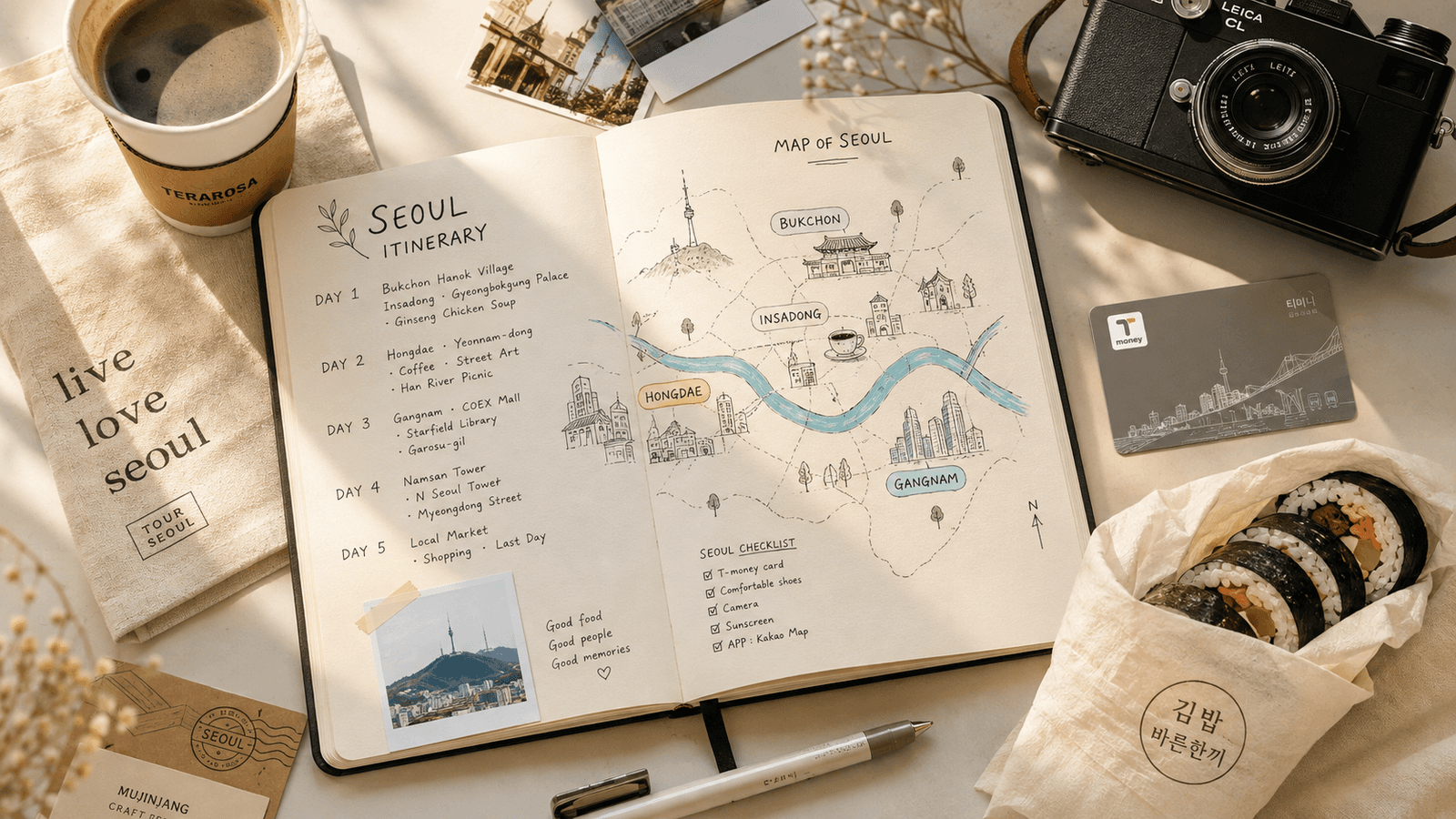
1:00 PM — Subway to Anguk Station, Exit 6. 1:10 PM — Walk south down Insadong-gil (the main street). 1:30 PM — Browse Ssamzigil — the spiral-shaped indie craft mall. 2:30 PM — Traditional Korean tea at one of the hanok teahouses (Suyeon Sanbang or Tea Story). 3:30 PM — Browse the side alleys for ceramics, brushes, hanji. 4:30 PM — Snack on kkultarae (dragon's beard candy) — watch the artisans pull it. 5:30 PM — Stop at one of the Korean art galleries. 6:30 PM — Dinner at a traditional Korean restaurant — try Sanchon (vegetarian temple food) or Insa-dong's beloved bibimbap spots.
Top Things to Do
1. Ssamzigil
A four-story spiral craft mall with over 70 small indie shops — Korean designer brands, jewelry, leather goods, ceramics, and the famous Ttong Bbang (poo-shaped pastries — kid favorite). The architecture itself is photogenic.
2. Traditional Teahouse Stop
The hanok teahouses in Insadong are some of the most atmospheric in Seoul:
- Suyeon Sanbang (수연산방) — historic teahouse in a 1930s hanok with a leafy garden
- Yetchatjip (옛찻집) — cozy, dim, full of caged birds
- Tea Story — wider menu of Korean traditional teas
Order Saenggang-cha (ginger tea) in winter, Omija-cha (five-flavor berry tea) in summer, or Daechu-cha (jujube tea) for sweet warmth.
3. Korean Calligraphy Brushes & Hanji Paper
Several shops along Insadong-gil specialize in calligraphy supplies. Look for:
- Premium hand-pulled hanji paper (₩2,000–10,000 per sheet)
- Traditional inkstones
- Brushes of every size
- Korean seal-carving services
4. Korean Pottery and Ceramics
Insadong's ceramics shops range from mass-produced gift ware to genuine artisan works. The pieces from Yi Sam-pyong style or Onggi (traditional clay pottery) make memorable Korean souvenirs.
5. Indie Art Galleries
Smaller galleries hide in side alleys — many free to enter. Korea Cultural Heritage Foundation Gallery, Kyung-in Museum of Fine Art, and Insa Art Center are worth peeking into.
6. Hanbok-Themed Shops
Even if you don't buy a hanbok, the silk fabric shops in Insadong are fascinating — each rolled bolt is hand-dyed, with seasonal pattern lines.
7. Korean Snack Streets
- Kkultarae (dragon's beard candy): Watch artisans stretch honey + corn flour into ~16,000 spider-thin strands
- Jeonggwa: Korean preserved fruits in syrup
- Sweet pumpkin steamed rice cakes
- Walnut cakes (Hodu-gwaja)
Best Time to Visit
By Time of Day
- Morning (10 AM–12): Calmest. Galleries fully open.
- Afternoon (1–5 PM): Peak energy.
- Sunday afternoons: Main street closed to cars; busker performances and street fairs.
- Evening (after 6 PM): Quieter, restaurant-focused.
By Season
- Spring (April): Cherry blossoms scattered around the side alleys.
- Autumn (October–November): Best season — perfect weather, leaves turning.
- Winter: Atmospheric for tea-drinking.
- Summer: Hot, but the side alleys offer shade.
How to Get There
Subway:
- Anguk Station (Line 3), Exit 6 — best entry, drops you at the top of Insadong-gil
- Jonggak Station (Line 1), Exit 3 — entry from the southern end
Walking from major sights:
- From Gyeongbokgung Palace: 8 minutes
- From Cheonggyecheon Stream: 5 minutes
- From Bukchon Hanok Village: 10 minutes
- From Gwanghwamun Square: 8 minutes
What to Combine With Insadong
Insadong sits at the geographic heart of historical Seoul. Pair with:
- Bukchon Hanok Village (10 min walk north)
- Gyeongbokgung Palace (10 min walk west)
- Cheonggyecheon Stream (5 min walk south)
- Jongmyo Shrine (8 min walk east)
- Ikseon-dong (5 min walk south — the cooler hipster cousin)
- Gwangjang Market (10 min walk for evening market food)
A perfect cultural day: Gyeongbokgung morning → Bukchon walk → Insadong tea & shopping → Ikseon-dong dinner → Gwangjang Market dessert.
What to Buy in Insadong
Insadong's best souvenirs are typically:
- Hand-pulled hanji paper (lightweight, packs easily, beautifully Korean)
- Korean pottery cups, bowls, or vases (heavier but unique)
- Calligraphy brushes & inkstones (small, gift-friendly)
- Korean folding fans (foldable, classic)
- Korean masks (decorative, lightweight)
- Korean traditional tea sets
- Bojagi (wrapping cloth) (tiny, beautiful, easy to pack)
- Hanbok-style accessories — small silk pouches, hairpins
- Korean traditional snacks — sealed for travel
Avoid: mass-produced "I love Korea" t-shirts and souvenir junk on the main street. Prices are higher than equivalent quality elsewhere.
Tips From Repeat Visitors
- Sunday afternoons are best for atmosphere. The street closes to cars and live performances draw crowds — it's the most "alive" Insadong gets.
- Step into the side alleys. The main street has tourist-priced shops; the back lanes have authentic artisan studios.
- Bargain politely. Most shop owners expect light haggling; ask for a discount of 5–15%.
- Bring cash for small artisans. Older artisans sometimes don't accept card.
- Don't skip the teahouses. They're the soul of Insadong — even if you don't drink tea normally, do it here.
- The Starbucks signs are in Hangul. A small detail — the only neighborhood in Seoul where Starbucks signs use Korean script instead of English. A nice nod to local heritage.
Frequently Asked Questions
Is Insadong worth visiting? Yes. Even on a 3-day Seoul trip, an afternoon in Insadong is worthwhile.
Is it touristy? Yes, especially the main street. The side alleys and back-lane workshops are still authentic.
Best time of day to visit? Weekday afternoons, or Sunday for the pedestrian street.
Is it a good place for souvenirs? Yes — for high-quality Korean traditional crafts, especially in side-alley shops.
Are there ATMs? Yes, at the main 7-Elevens and bank branches.
How long should I stay? 2–3 hours minimum. Half a day if you're seriously shopping or visiting galleries.
Is it accessible? Mostly yes — main street is flat. Some hanok shops have step-up entries.
Final Thoughts
Insadong is the rare tourist district that has stayed faithful to what made it famous. Walk the main street for the energy, slip into the side alleys for the authenticity, drink one cup of traditional tea in a hanok teahouse, and buy at least one piece of Korean craft to take home.
Pair it with Bukchon, Gyeongbokgung, and Ikseon-dong for one of Seoul's most rewarding cultural days.