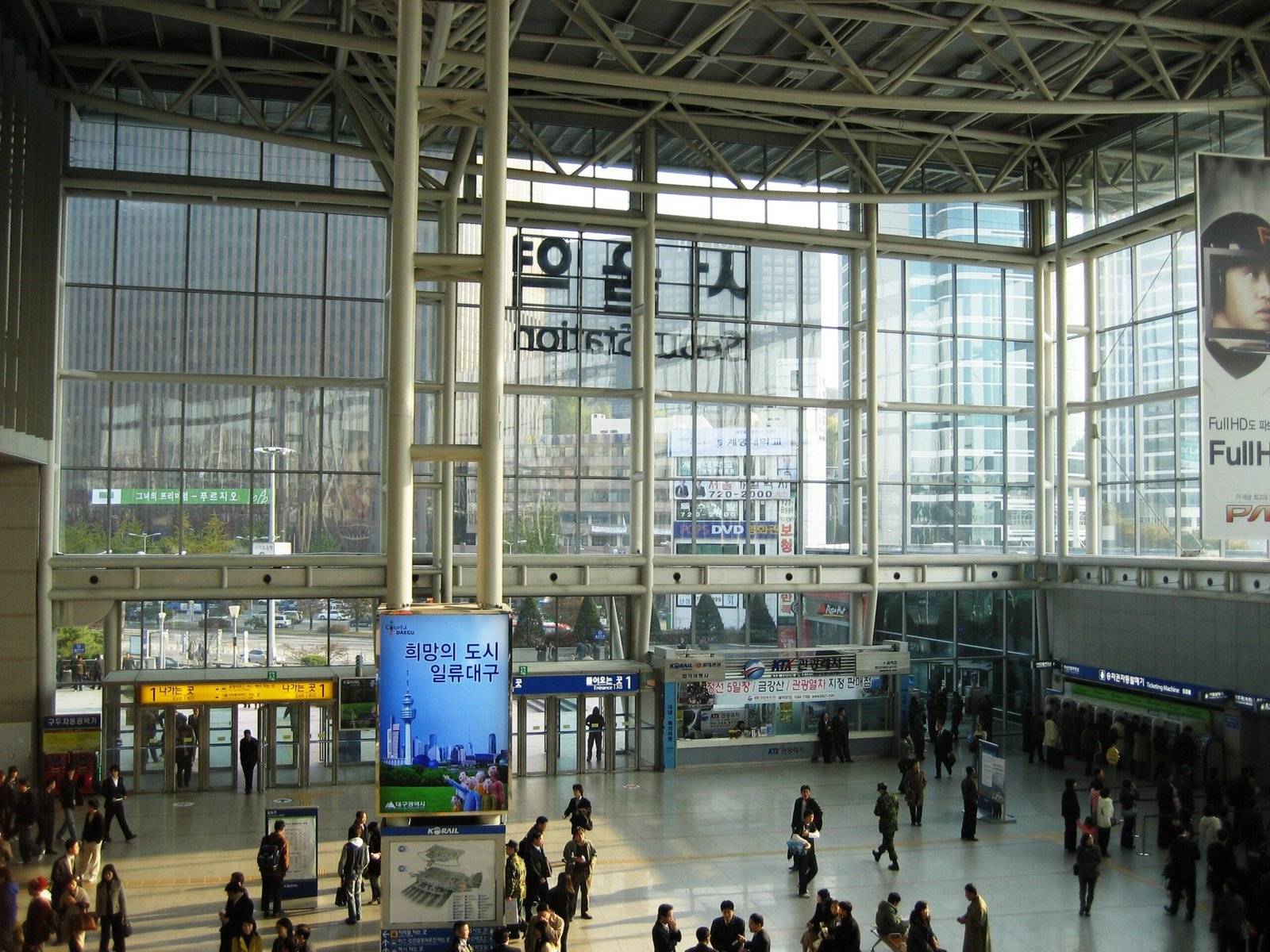
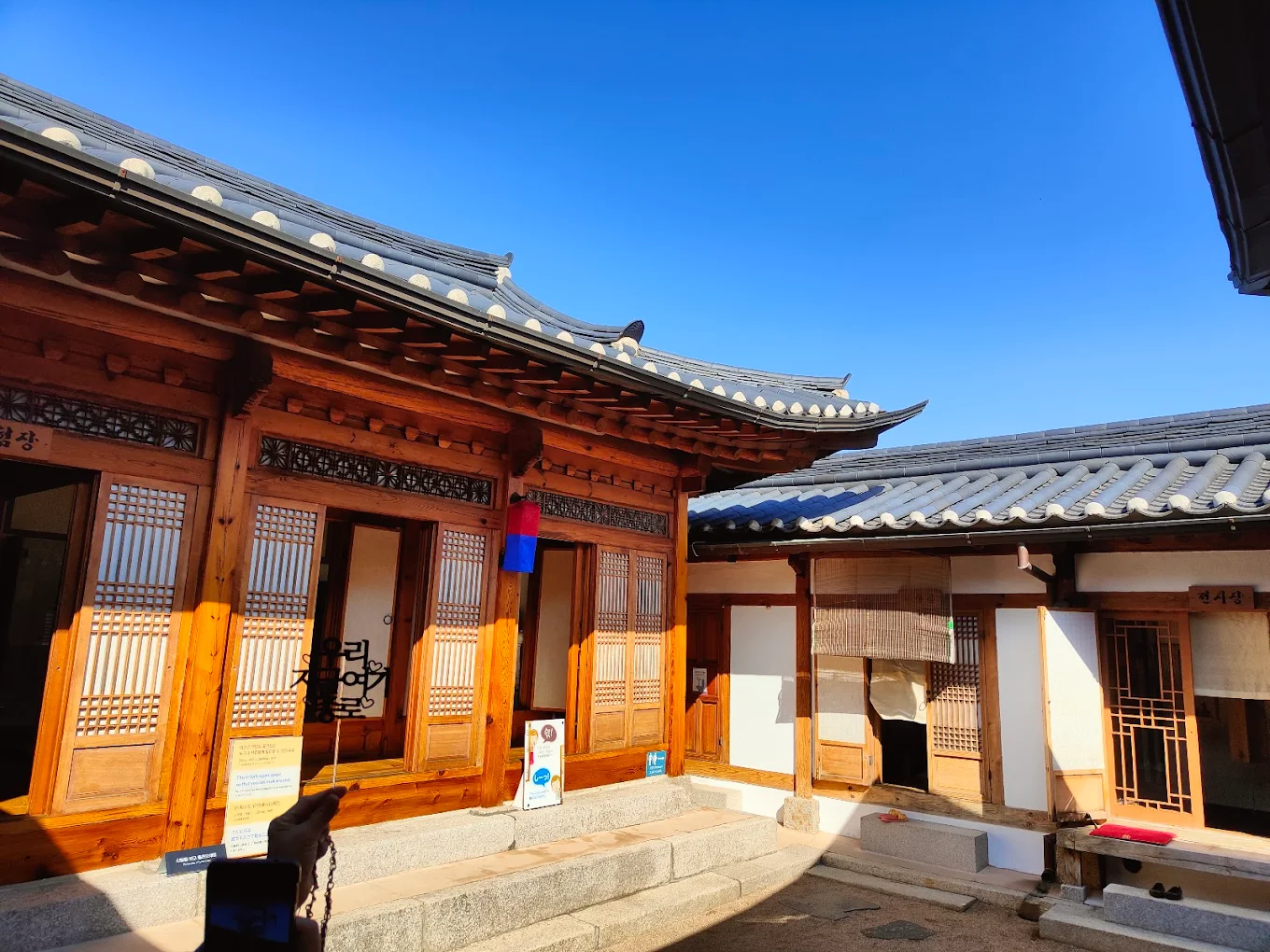
If you could stay near only one subway station in Seoul, Anguk Station (안국역) would be a strong choice. Within a ten-minute walk you have a royal palace, the city's most famous hanok neighbourhood, Insadong's tea houses, two excellent free museums and some of the most talked-about cafés in Korea.
The area is also changing fast. Global brands have opened flagship stores in restored hanok, and the streets between Bukchon and Samcheong-dong are filling with concept shops. This guide organises everything by subway exit so you can plan your day.
Anguk Station at a Glance
| Korean name | 안국역 (Anguk-yeok), Jongno-gu, Seoul |
| Subway line | Line 3 (orange) |
| Best for | Hanok architecture, palaces, museums, traditional crafts, cafés |
| Time needed | Half a day minimum; a full day with Changdeokgung's Secret Garden |
| Nearby areas | Bukchon, Samcheong-dong, Insadong, Ikseon-dong, Gyeongbokgung |
What's Near Each Exit
| Exit | Head for |
|---|---|
| Exit 1 | Seoul Museum of Craft Art, Yeolin Songhyeon Green Plaza, MMCA Seoul, Samcheong-dong |
| Exit 2 / 3 | Bukchon Hanok Village, Bukchon Traditional Culture Center, hanok cafés |
| Exit 3 | Changdeokgung Palace (5–10 minutes' walk) |
| Exit 4 | Unhyeongung Palace; walk on to Ikseon-dong |
| Exit 6 | Insadong-gil, Ssamziegil, Jogyesa Temple |
Tip: Anguk's exits are close together, so don't worry if you pick the wrong one. Check the exit map on the platform wall when you get off the train.
Exit 1: Museums, Green Space & Samcheong-dong
Seoul Museum of Craft Art (서울공예박물관)
Opened in 2021 in a former girls' high school, this is Korea's first public museum devoted to crafts: embroidery, ceramics, lacquerware, jewellery and textiles from the Joseon era to today. Admission is free, the galleries are rarely crowded, and the courtyard has a lovely view of the hanok rooftops.
Yeolin Songhyeon Green Plaza (열린송현 녹지광장)
For more than a century this large plot behind a wall was off-limits to the public. It opened as a park in 2022 and is now a big lawn with wildflower fields and open views toward Bugaksan mountain. It's a good place to sit down between museums.
National Museum of Modern and Contemporary Art, Seoul (MMCA)
Korea's flagship contemporary art museum sits right beside Gyeongbokgung's east wall. The building mixes the old Defense Security Command building with new galleries, and the exhibitions change regularly. Walk on to Samcheong-dong for galleries and boutiques, or to Gyeongbokgung.
Exits 2 & 3: Bukchon Hanok Village
Bukchon Hanok Village (북촌한옥마을) is a living neighbourhood of around 900 traditional houses on the slopes between two palaces. The most photographed lane is Bukchon-ro 11-gil, where the rooftops step down toward downtown Seoul.
Visiting hours: Bukchon is a residential area, and Jongno-gu has limited tourist visits in the busiest "red zone" lanes to 10:00–17:00, with fines for visiting outside those hours. Keep your voice down, don't open gates, and don't sit on doorsteps for photos.
Start at the Bukchon Traditional Culture Center (북촌문화센터), a restored hanok with free exhibits on how these houses are built and lived in, and sometimes free craft workshops.
Brand Flagships in Hanok
Several brands have opened stores inside restored hanok around Bukchon and Samcheong-dong, and these change often. A walk along Bukchon-ro and Gyedong-gil will show you the current ones. They're worth seeing even if you don't buy anything: modern retail inside 100-year-old wooden houses doesn't exist anywhere else.
Exit 3: Changdeokgung Palace
Changdeokgung (창덕궁) is a UNESCO World Heritage Site and many people's favourite of Seoul's five palaces because it follows the shape of the hills instead of a rigid grid. General admission is ₩3,000, and it's free if you wear a hanbok. Its Secret Garden (Huwon) is visited only on a guided tour with a separate ticket, and English slots sell out, so book online in advance. The palace is closed on Mondays.
Next door, Jongmyo Shrine and Changgyeonggung make a full "palace day" possible.
Exit 4: Unhyeongung & Ikseon-dong
Unhyeongung (운현궁) was the home of Heungseon Daewongun, father of King Gojong, and the site of the king's royal wedding. It's small, quiet and rarely crowded.
From there it's a 10-minute walk to Ikseon-dong Hanok Village, a maze of tiny hanok alleys full of dessert cafés, restaurants and photo spots, livelier and younger than Bukchon.
Exit 6: Insadong & Jogyesa
Insadong (인사동) is Seoul's traditional crafts street: hanji paper, ceramics, calligraphy brushes, tea houses and street snacks like kkultarae (dragon's beard candy). Don't miss Ssamziegil, a spiral courtyard of small craft shops.
Five minutes south is Jogyesa (조계사), the head temple of Korean Seon Buddhism. In spring it's covered in thousands of lotus lanterns for Buddha's Birthday. Entry is free and visitors are welcome.
Cafés Around Anguk
- Onion Anguk (어니언 안국): a large hanok café with a courtyard and the bakery's famous pandoro. Get there at opening to beat the line.
- London Bagel Museum Anguk (런던베이글뮤지엄 안국): one of Seoul's most famous bakeries. Expect a long wait; join the waitlist at the kiosk and explore nearby while you wait.
- Hanok tea houses in Insadong: for a slower stop, order a traditional tea such as omija or yuja with rice cakes.
For more cafés with character, see our hidden places in Seoul.
Where to Eat
- Hwangsaengga Kalguksu (황생가칼국수): hand-cut noodle soup and dumplings, listed in the Michelin Bib Gourmand, on Bukchon-ro.
- Insadong set meals: many restaurants serve hanjeongsik, a traditional course of rice, soup and many side dishes, in hanok dining rooms.
- Ikseon-dong: modern Korean, Western fusion and dessert spots, good for dinner after a palace day.
Also see our best Korean dishes guide.
A One-Day Walking Route
- 09:30, Exit 3: Changdeokgung (book the Secret Garden tour for a morning slot)
- 12:00: Lunch near Bukchon-ro
- 13:00, Exits 2/3: Bukchon Hanok Village and the Culture Center (inside the 10:00–17:00 window)
- 14:30, Exit 1: Seoul Museum of Craft Art and Yeolin Songhyeon Green Plaza
- 16:00: Coffee and a stroll down Samcheong-dong
- 17:30, Exit 6: Insadong, Ssamziegil and Jogyesa at dusk
- 19:00: Dinner in Ikseon-dong
Practical Tips
- Wear a hanbok: rental shops cluster around Anguk and Gyeongbokgung, and wearing one gets you into the royal palaces for free. Read our traditional dress guide first.
- Comfortable shoes: Bukchon is built on a hillside with steep lanes and steps.
- Mondays and Tuesdays: Changdeokgung closes on Mondays and Gyeongbokgung on Tuesdays, so plan your palace day around that.
- Navigation: use Naver Map or KakaoMap; Google Maps walking directions are limited in Korea.
- Where to stay: Anguk and Insadong are among the best bases in Seoul. See where to stay in Seoul.
Frequently Asked Questions
What is Anguk Station known for? It's the gateway to Bukchon Hanok Village, Changdeokgung Palace and Insadong, three of Seoul's most visited historic areas.
Which Anguk exit is best for Bukchon Hanok Village? Exit 2 or 3. Walk uphill along Bukchon-ro for about 5–10 minutes.
Can you visit Bukchon at night? The busiest residential lanes are limited to 10:00–17:00 for tourists, and fines apply outside those hours. Plan to visit during the day.
Is the Seoul Museum of Craft Art free? Yes, general admission is free.
How long should I spend around Anguk? At least half a day. A full day lets you add Changdeokgung's Secret Garden, the museums and Insadong without rushing.
Final Thoughts
Anguk shows Seoul's past and present in one compact area: a 600-year-old palace, wooden houses on the hill, and some of the city's newest stores and bakeries in between. Pick one exit, start walking, and save the evening for the lantern-lit alleys of Insadong and Ikseon-dong.