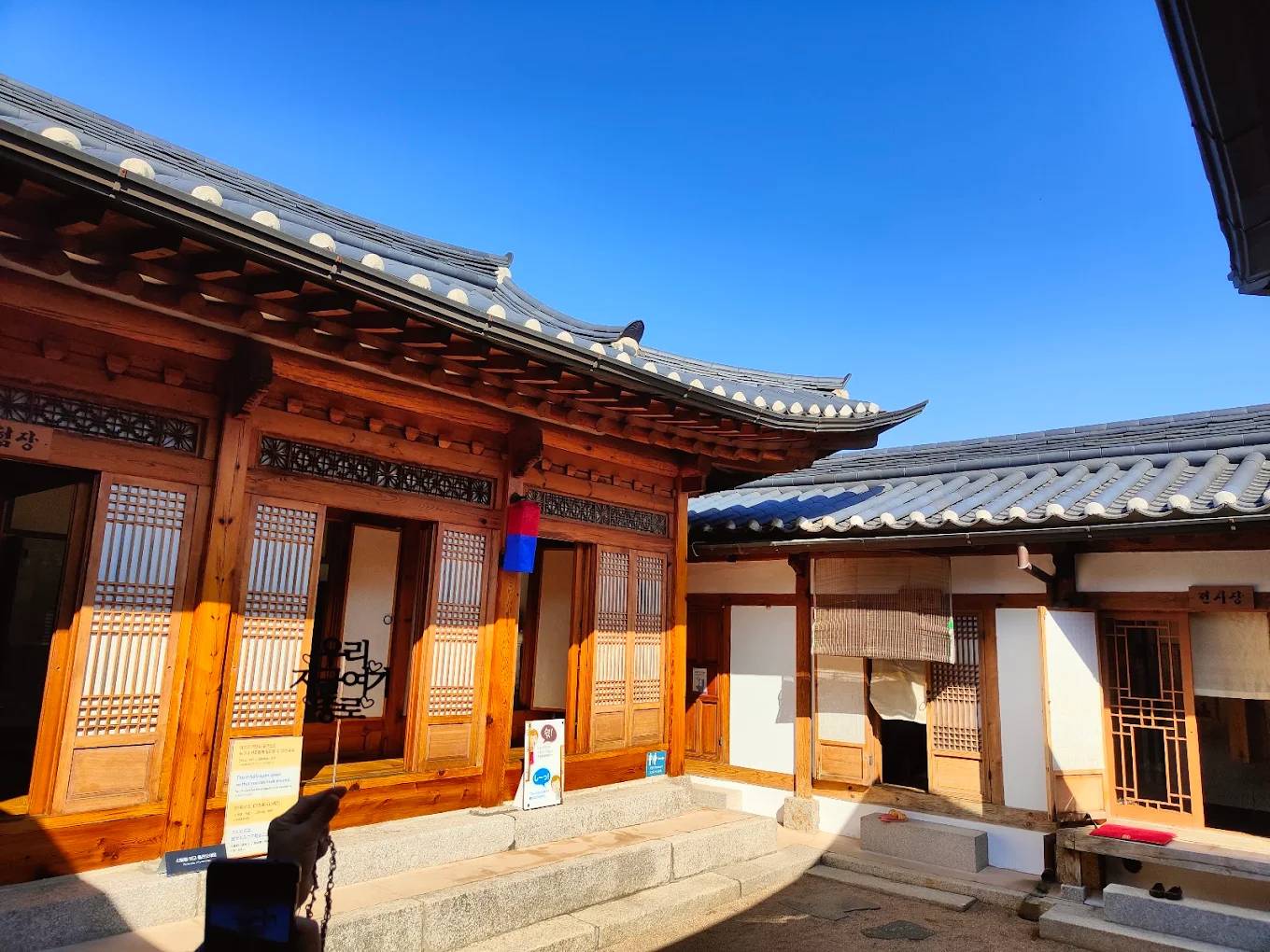
Less than an hour from central Seoul sits one of the most underrated cultural attractions in Korea: the Korean Folk Village (한국민속촌) in Yongin. Imagine a working open-air museum the size of a small town, recreating life in the late Joseon Dynasty — but instead of static displays, the village is alive with horseback martial-arts shows, traditional weddings, folk music, blacksmith forges, dye houses, and farmers actually plowing rice paddies in season.
It's where Korean schools take field trips, where K-dramas like Mr. Sunshine and Moonlight Drawn by Clouds are filmed, and where international visitors with even half a day to spare get the most immersive cultural experience available anywhere near Seoul.
This is the complete 2026 guide to visiting the Korean Folk Village — best time to go, what to see, what to skip, and how to plan a day that's worth every won.
Quick Facts
- What: A 245-acre traditional Korean folk village reconstructing late Joseon Dynasty life
- Where: Yongin (Gyeonggi-do), about 1 hour by transit from Seoul
- Open: Daily 9:30 AM – 6:00 PM (winter), 10:00 AM – 9:30 PM (peak summer weekends)
- Adult ticket: ₩32,000 (full pass with rides) or ₩15,000 (general entry only)
- Time to spend: 4–6 hours minimum
- Best time: Late April–early November
What's Inside
The village is laid out in distinct districts, each recreating a slice of pre-modern Korean life:
Traditional Houses (Hanok)
Over 270 reconstructed buildings ranging from peasant homes to nobleman mansions to thatched countryside huts. You can walk inside most, sit on the ondol-heated floors, peek into kitchens with traditional cauldrons, and study the clever use of paper and wood throughout.
Performance Stages
Four daily performances run on most operating days. These are the headline attractions:
- Equestrian Feats (마상무예) — Stunning horseback martial arts and acrobatics on a sand arena.
- Farmer's Music & Dance (농악) — Drummers, dancers, and the iconic spinning-tassel hat performance.
- Tightrope Walking (줄타기) — A UNESCO Intangible Cultural Heritage performance — a single performer on a high rope cracking jokes and singing satirical songs.
- Traditional Wedding Ceremony — A full Joseon-era wedding reenacted in the courtyard of a noble house.
Performance schedules rotate. Check the day's program at the entrance map.
Seasonal Customs
The village runs a calendar of traditional Korean holidays and seasons. You'll see Lunar New Year ritual setups in February, Dano festival kite-flying in early summer, autumn harvest moon (Chuseok) ceremonies, and winter ice-sledding setups around December–January.
Marketplace
A long, recreated traditional marketplace street with active food stalls. Order:
- Bindaetteok (mung bean pancakes) — sizzling on iron pans
- Pajeon (scallion pancakes) with makgeolli
- Hand-pulled noodle (kalguksu) in chicken broth
- Bossam (boiled pork wraps)
- Tteokbokki, sweet rice cakes, hot rice wine
This food court alone is worth the trip — it's noticeably better than most tourist-attraction food in Korea.
Workshops & Hands-On Experiences
Try traditional Korean dyeing, paper-making (hanji), pottery, calligraphy, archery, and even short hanbok rentals. Most experiences run ₩3,000–10,000 each.
Amusement Park Section
A small Western-style amusement park with mid-tier rides — a Viking ship, bumper cars, a small roller coaster, a haunted house. The full pass includes ride access; if you're not bringing kids, the general entry ticket without rides saves about ₩17,000.
Filming Locations
The Korean Folk Village is one of Korea's primary period-drama filming sets. Mr. Sunshine, The King's Affection, Moonlight Drawn by Clouds, Rebel: Thief Who Stole the People, and dozens of other dramas have shot here. Look for marked plaques at locations used in your favorite shows.
Best Time to Visit
By Season
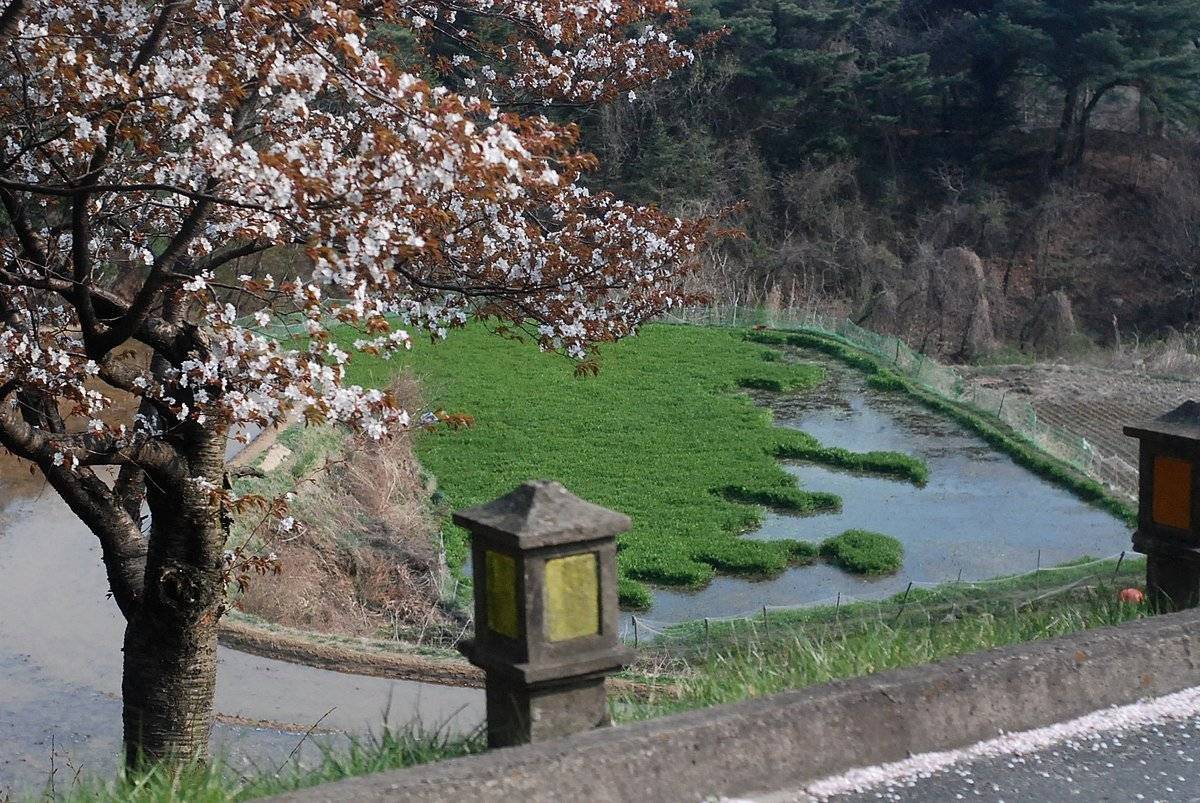
- Spring (April–May): The most beautiful single window. Cherry blossoms mid-April, azaleas late April, fresh greenery on rice paddies in May. Mild weather.
- Autumn (October–early November): The other peak season. Vibrant maples, harvest scenes, comfortable hiking weather.
- Summer (June–August): Hot, humid, and longest hours — but this is the only time the village stays open until 9:30 PM with night illumination during weekends. Magical for photos.
- Winter (December–February): Atmospheric snow scenes, but most outdoor performances pause. Hours shorten to 5:00 PM.
By Day of Week
- Weekdays (Mon–Thu): Calmer, fewer school groups, full performance schedule on most days.
- Friday–Sunday: Crowded but more performances and special events.
- Avoid: First Mondays of certain months — some attractions close for maintenance.
Sample Day Plan (5–6 Hours)
10:00 AM — Arrive. Pick up the day's performance schedule. 10:15 AM — Walk through the southern hanok district. 11:00 AM — First performance (typically Farmer's Music & Dance). 11:45 AM — Lunch at the marketplace (bindaetteok + makgeolli). 1:00 PM — Equestrian Feats performance. 2:00 PM — Walk through the noble's house district. Try a hanji (paper) workshop. 3:00 PM — Tightrope Walking performance. 4:00 PM — Tea and traditional sweets at one of the village teahouses. 5:00 PM — Final walk through the marketplace for souvenirs. 5:30 PM — Bus back to Suwon Station or shuttle to subway.
If visiting in summer, extend the plan to include the night illumination from sunset to 9 PM — this is when the lit-up hanok rooftops, lanterns, and dimly glowing alleyways come alive.
How to Get There
From Seoul
Option 1 — Subway + Free Shuttle (best):
- Take Subway Line 1 (dark blue) to Suwon Station (about 50 min from Seoul Station).
- Exit and follow signs to the Visitors Center.
- The free Korean Folk Village shuttle bus runs several times daily from the Visitors Center directly to the village. The ride is about 30 minutes.
- Return shuttle runs roughly hourly until evening.
Option 2 — Subway + Taxi: Same first step, but take a taxi from Suwon Station (~₩15,000, ~15 minutes).
Option 3 — KTX: Suwon doesn't have KTX service, but Gwangmyeong Station (KTX) is reachable, and from there a taxi to the village runs ₩30,000.
Option 4 — Tour bus: Many Seoul-based tour operators offer combined Korean Folk Village + Suwon Hwaseong Fortress packages for ₩60,000–80,000 per person, including round-trip transport.
From Suwon
If you're already in Suwon for Hwaseong Fortress, the village is only a 20-minute taxi or bus ride away. Combining both into one full day from Seoul is doable but tight — better split across two day trips.
What to Bring
- Comfortable walking shoes. The village covers 245 acres with many uneven dirt paths.
- Cash. Marketplace stalls and workshops accept card now, but cash is faster.
- Sunscreen + hat in summer. Most paths have limited shade.
- Layers in spring/autumn. Mornings can be 5–10°C cooler than afternoons.
- Camera + spare battery. This is one of the most photogenic places in Korea.
What to Combine With Korean Folk Village
- Suwon Hwaseong Fortress (UNESCO walls, 20 min away)
- Starfield Library Suwon (one of Korea's most photogenic indoor spaces)
- Suwon Galbi dinner at Bonsuwon — Suwon is the home of Korean galbi
- Everland Theme Park (15 min away) — Korea's largest amusement park
- Anseong Farmland (45 min away) — open meadows, photogenic in summer
Photography Tips
- Best light: Mid-morning (10–11 AM) for crisp shadows on hanok rooftops.
- Best portrait spots: The covered wooden bridge over the central stream, the noble courtyard, the marketplace alley.
- Drone use: Not allowed.
- People in hanbok in your shots: Many performers and re-enactors are happy to be photographed — but ask first with a smile and a slight bow.
- Night photography (summer weekends): Bring a small handheld stabilizer. The lit-up hanok rooftops are stunning but require steady hands.
Insider Tips
- Skip the rides if you're without kids. The amusement park section is fine but unremarkable. Buy the cheaper ₩15,000 general entry ticket and put the savings into food and workshops.
- Time your performances first. Plan your walk around the day's performance schedule, not the other way around.
- Eat at the marketplace, not the cafeteria. The marketplace stalls are dramatically better than the indoor food court.
- Wear layers. The village sprawls and includes both shaded forest and exposed plaza areas.
- Buy tickets online for a small discount. Klook, Trazy, and Korean Folk Village's own website all offer 10–15% off the gate price.
Frequently Asked Questions
Is Korean Folk Village worth visiting? Yes — particularly for first-time visitors to Korea who want a deeper cultural experience than palaces alone. Half a day minimum.
How much time do I need? 4–6 hours for a comfortable visit. Add 2 hours each way for travel from Seoul.
Is it kid-friendly? Very. Performances, hands-on workshops, an amusement park, and lots of open space.
Do I need a tour? No. The village is easy to navigate independently. English signage is widespread.
Is it accessible? Mostly yes — main paths are paved or smoothly packed. Some hanok have steps. Strollers and wheelchairs can navigate the central districts.
Can I rent a hanbok inside? Yes — short rentals (1–2 hours) are available. For longer rentals, rent in Bukchon before traveling out and wear it all day.
What's the difference between Korean Folk Village and Bukchon Hanok Village? Bukchon is a real, living residential neighborhood in central Seoul (free, walkable). Korean Folk Village is a much larger, ticketed, recreated village with performances and workshops. Different experiences — both worthwhile.
Final Thoughts
Korean Folk Village is the kind of attraction that surprises every traveler willing to make the trip. It's not a museum behind glass — it's a living, breathing recreation of pre-modern Korean life, with smoke rising from hanok kitchens, drums echoing across the courtyards, and a tightrope walker cracking jokes over your head.
Block out a full day, eat slowly at the marketplace, sit on the ondol floor of an old farmhouse, and watch the equestrian show twice if the schedule allows. Few day trips from Seoul leave you with this strong a sense of Korea before Korea was Seoul.