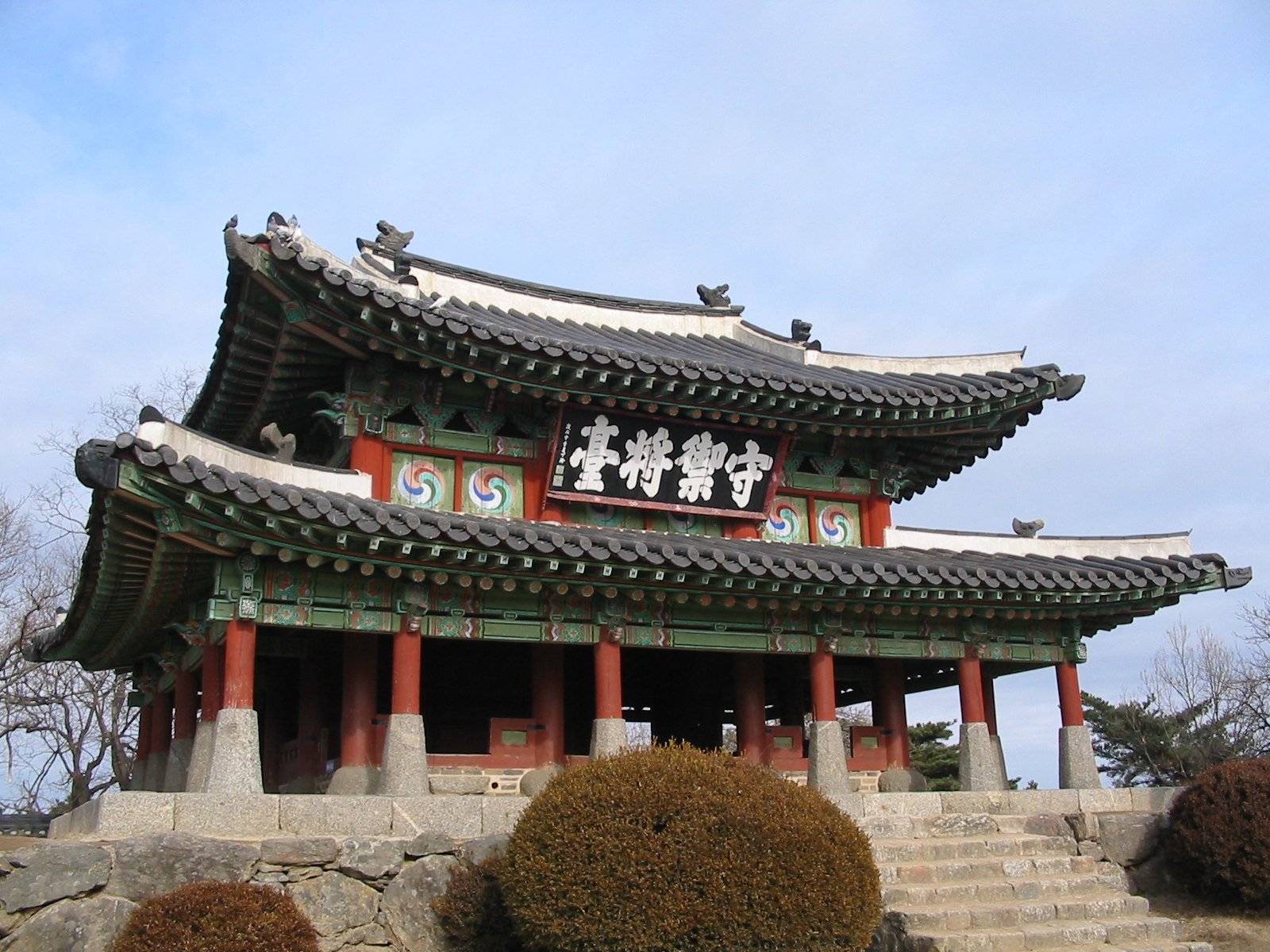
Of all the sections of the Seoul City Wall (한양도성), the Baegak Trail — climbing over Bugaksan (Baegaksan) Mountain behind Gyeongbokgung — is the most dramatic. This is the highest and most historic stretch of the old fortress, with panoramic views over the palaces and downtown, restored ramparts, and a fascinating recent history as a once-restricted military zone guarding the presidential Blue House.
This is the complete 2026 guide.
Quick Facts
- What: The mountain (Bugaksan) section of Seoul's historic fortress wall
- Where: North of Gyeongbokgung, central Seoul
- Open: Daytime hours (typically ~07:00/09:00–sunset; varies by season)
- Admission: Free
- Difficulty: Moderate (stairs and hill climbs); ~2–3 hours
- Nearest start: Changuimun Gate (near Buam-dong) or Malbawi (near Hyehwa)
Why Walk It
The Baegak/Bugaksan section is the crown of the Seoul City Wall — built in 1396 to defend the new capital, it runs over the mountain that rises directly behind the main palace. For years it was closed to the public because it overlooks the Blue House (Cheong Wa Dae); access has since opened up dramatically, especially after the Blue House itself opened to visitors. Today you can walk restored ramparts to the Baegak summit (~342m) for some of the best history-and-skyline views in Seoul.
How to Get There
Two popular access points:
From Changuimun Gate (West Start)
- Near Buam-dong; reachable by bus from Gyeongbokgung Station (Line 3).
- A classic starting point that climbs toward the summit.
From Malbawi Information Center (East Start)
- Near Waryong Park / Hyehwa; reachable from Hansung University Station (Line 4) + a walk/bus.
- Connects with the Naksan section for a longer wall walk.
Note: Bring your passport or ID — historically required for the most sensitive segments. Rules have eased as the area opened up, but carry ID to be safe and check current access at the info centers.
What to See
The Restored Ramparts
Centuries-old stonework (you can spot different eras of construction) winding over the ridge — a living history lesson underfoot.
Baegak (Bugaksan) Summit
At ~342m, the high point rewards you with sweeping views over Gyeongbokgung, downtown Seoul, N Seoul Tower, and the surrounding mountains.
Historic Gates & Guard Posts
- Changuimun and Sukjeongmun (the "Great North Gate").
- Old military checkpoints and the famous "1·21 Incident" pine tree, scarred by bullets from a 1968 North Korean commando raid — a sobering piece of modern history.
Blue House Views
Sections overlook the former presidential residence, Cheong Wa Dae, now open to the public at the foot of the mountain.
When to Visit
- Morning: Clear air and cooler temperatures for the climb.
- Autumn (Oct–Nov): Foliage along the ridge — the most beautiful season.
- Spring: Fresh greenery and mild weather.
- Clear days: Best skyline visibility from the summit.
- Check seasonal hours — the trail closes before dark and on some maintenance days.
A Suggested Plan
9:00 AM — Start at Changuimun Gate (carry ID). 9:30 AM — Climb the ramparts toward the summit. 10:30 AM — Baegak summit views; the bullet-scarred pine and Sukjeongmun Gate. 11:30 AM — Descend toward Waryong Park / Hyehwa (or back to Buam-dong). 12:30 PM — Lunch in Buam-dong (cafés, Sanmotoonge) or Samcheong-dong. Afternoon — Gyeongbokgung and Bukchon Hanok Village below the mountain.
What to Combine With
- Gyeongbokgung Palace — directly below the mountain.
- Cheong Wa Dae (Blue House) — now open to visitors at the foot of Bugaksan.
- Buam-dong & Sanmotoonge café — scenic hillside neighborhood.
- Samcheong-dong & Bukchon Hanok Village — galleries, cafés, and hanok lanes.
- Naksan & Inwangsan City Wall trails — connect for a longer fortress walk.
Tips From Repeat Visitors
- Carry ID/passport and check current access rules at the info centers.
- Wear proper shoes — it's a real hill with lots of stairs.
- Go in the morning for cool temperatures and clear views.
- Autumn is unbeatable for foliage along the wall.
- Combine with the Blue House now that it's open below.
- Mind the closing time — the trail shuts before dark.
- Bring water — limited facilities along the ridge.
Baegak vs Naksan vs Inwangsan (City Wall Sections)
| Baegak (Bugaksan) | Naksan | Inwangsan | |
|---|---|---|---|
| Difficulty | Moderate–hard | Easy | Moderate |
| Highlight | Summit, history, Blue House | Mural village, easy views | Rocky crags, sunset |
| Length | Longer climb | Short, gentle | Medium |
| Best for | Hikers, history buffs | Casual walkers | Sunset, photography |
For the most epic, historic stretch, choose Baegak; for an easy stroll, Naksan; for dramatic sunset, Inwangsan.
Frequently Asked Questions
Is the Baegak/Bugaksan City Wall trail free? Yes — it's free to walk, with daytime hours.
Do I need my passport? Carry ID/passport to be safe; historically required for sensitive sections near the Blue House, though access has eased. Confirm current rules at the info centers.
How hard is the hike? Moderate — expect stairs and hill climbs over 2–3 hours; manageable for reasonably fit walkers.
What's the best time to go? Morning for cool air and clear views; autumn for foliage.
How do I get to the start? Changuimun Gate (via bus from Gyeongbokgung Station) or Malbawi center (near Hansung University Station).
Can I see the Blue House? Yes — parts of the trail overlook Cheong Wa Dae, which is now open to visitors below the mountain.
Final Thoughts
The Baegak (Bugaksan) section is the Seoul City Wall at its grandest — 600-year-old ramparts climbing the mountain behind the palace, summit views over the whole city, and modern history etched into a bullet-scarred pine. Carry your ID, set out in the morning, and walk the most storied stretch of Seoul's fortress before exploring Gyeongbokgung and Bukchon below.