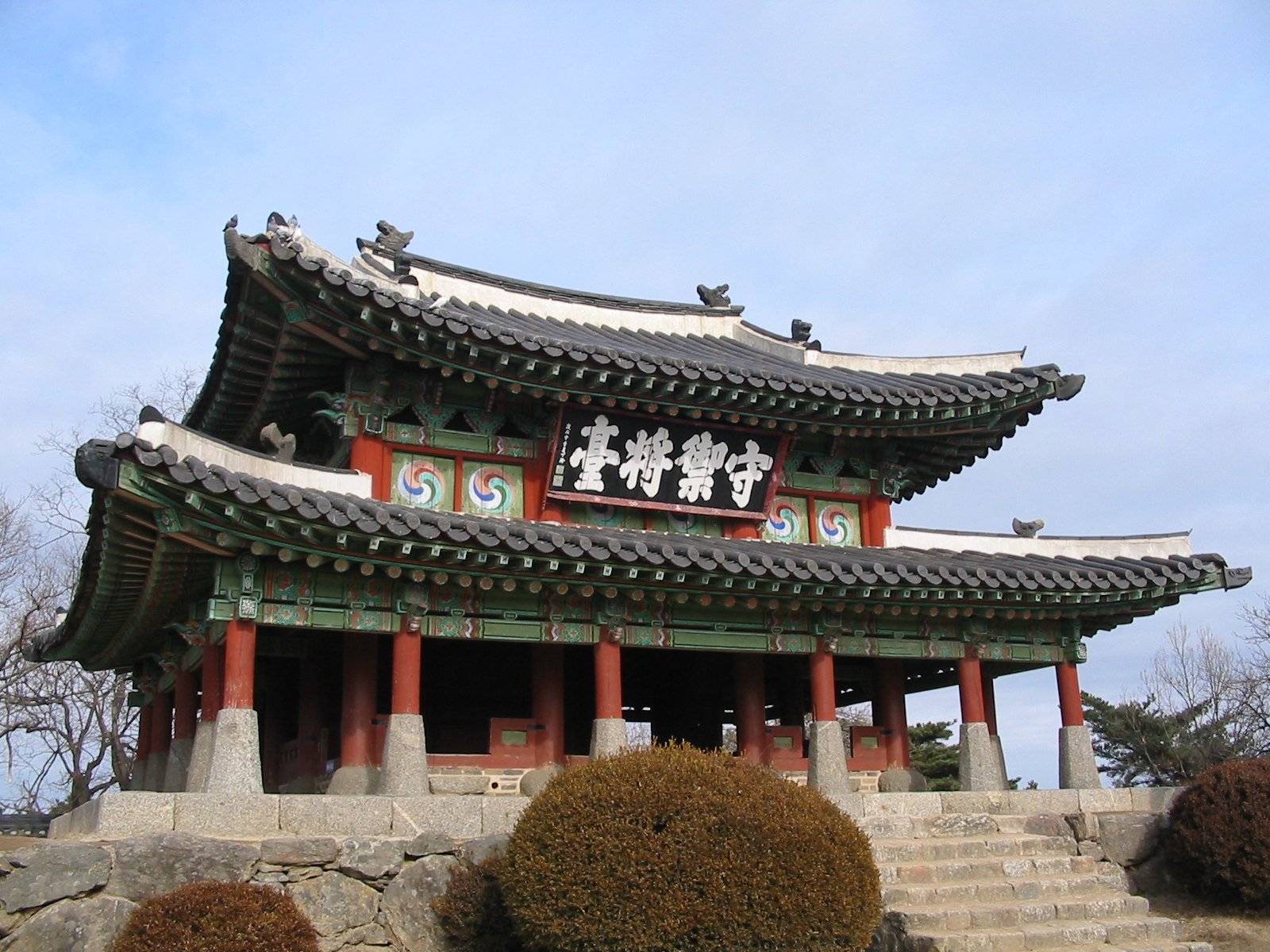
A serene counterpoint to Seoul's grand palaces, Jongmyo Shrine (종묘) is the UNESCO-listed royal ancestral shrine of the Joseon dynasty — a place of profound stillness where the spirit tablets of Korea's kings and queens are enshrined. Its long, austere main hall, ancient forest, and the living Jongmyo Jerye ritual make it one of the most spiritually powerful and historically important sites in Korea.
This is the complete 2026 guide.
Quick Facts
- What: The UNESCO-listed royal ancestral shrine of the Joseon dynasty
- Where: Jongno-gu, central Seoul (near Insadong & Changdeokgung)
- Open: ~09:00 AM–6:00 PM (shorter in winter); timed/guided entry on most days, free entry on certain days; closed Tuesdays
- Admission: ~₩1,000 (combined palace ticket available)
- Best for: History, quiet reflection, architecture, UNESCO heritage
- Nearest station: Jongno 3-ga Station (Lines 1, 3, 5), Exit 11 — a short walk
Why Visit
Built in 1394, Jongmyo is the oldest and most authentic Confucian royal shrine in the world, and a UNESCO World Heritage Site. Unlike the colorful palaces, it's defined by solemn simplicity — most strikingly the Jeongjeon, one of the longest single wooden buildings in Asia, housing the ancestral tablets of Joseon kings. Set in a tranquil forest, it offers a meditative, deeply historical experience. Each May, it hosts the Jongmyo Jerye, a UNESCO-recognized royal ancestral rite with centuries-old music and dance — a living link to Korea's past.
How to Get There
- Take Line 1, 3, or 5 to Jongno 3-ga Station, Exit 11.
- The shrine entrance is a few minutes' walk.
- It's near Insadong, Changdeokgung, and Gwangjang Market.
What to See
Jeongjeon (Main Hall)
The shrine's centerpiece — an austere, remarkably long colonnaded hall enshrining the spirit tablets of kings and queens. Its restrained grandeur is unforgettable.
Yeongnyeongjeon (Hall of Eternal Peace)
A second shrine hall for additional royal tablets — equally serene.
The Spirit Path & Forest
Stone "spirit roads" (for the deceased kings' spirits) thread through a peaceful wooded setting; visitors walk to the sides, not the center.
Jongmyo Jerye (Royal Ancestral Rite)
Held annually (typically in May), this UNESCO Intangible Cultural Heritage ceremony features ancient ritual music (Jongmyo Jeryeak) and dance — a rare, moving spectacle if your visit aligns.
Visiting Tips: Guided vs Free
- On most days, Jongmyo is visited by timed guided tour (in various languages) to preserve its solemnity.
- On certain days (often Saturdays and designated free days), you can explore freely at your own pace.
- Check the current schedule before you go.
When to Visit
- May: For the Jongmyo Jerye royal rite (if dates align).
- Spring & autumn: Beautiful forest setting and mild weather.
- Weekday mornings: Quietest and most contemplative.
- Closed Tuesdays: Plan around it.
A Suggested Plan
9:30 AM — Jongno 3-ga Station, Exit 11; enter Jongmyo (join a timed tour or visit on a free day). 10:30 AM — Contemplate the Jeongjeon and walk the forest spirit paths. 11:30 AM — Walk to Changdeokgung (and book the Secret Garden tour) or Insadong. 1:00 PM — Lunch in Insadong or at Gwangjang Market. Afternoon — Bukchon, Insadong, or another palace.
What to Combine With
- Changdeokgung & the Secret Garden — UNESCO palace nearby.
- Insadong — traditional culture street, a short walk.
- Gwangjang Market — iconic street food close by.
- Ikseon-dong Hanok Village — trendy hanok alleys nearby.
- Gyeongbokgung & Bukchon — a short ride for a fuller palace day.
Tips From Repeat Visitors
- Check whether your day is guided or free — it affects how you visit.
- Come for quiet reflection — it's solemn, not a bustling palace.
- Don't walk the center "spirit path" — it's reserved for the royal spirits.
- Time it for the May rite if you can — it's extraordinary.
- Buy the combined palace ticket if seeing several sites.
- Closed Tuesdays — plan accordingly.
Jongmyo vs the Palaces
| Jongmyo Shrine | Seoul Palaces | |
|---|---|---|
| Purpose | Ancestral worship | Royal residence/governance |
| Mood | Solemn, meditative | Grand, lively |
| Highlight | Jeongjeon hall, May rite | Throne halls, gardens |
| Crowds | Lower, contemplative | Higher |
Jongmyo offers a uniquely spiritual, reflective experience that complements the grandeur of the palaces.
Frequently Asked Questions
What is Jongmyo Shrine? The UNESCO-listed royal ancestral shrine of the Joseon dynasty, enshrining the spirit tablets of Korea's kings and queens.
Do I need a guided tour? On most days yes (timed guided entry), but certain days allow free self-guided visits — check the current schedule.
How do I get there? Jongno 3-ga Station (Lines 1, 3, 5), Exit 11, a short walk.
What is the Jongmyo Jerye? An annual royal ancestral rite (typically in May) with UNESCO-recognized ritual music and dance.
Is it closed any day? Yes — typically closed on Tuesdays.
How is it different from a palace? It's a solemn shrine for ancestral worship, far quieter and more contemplative than the colorful royal palaces.
Final Thoughts
Jongmyo Shrine is Seoul at its most solemn and profound — a UNESCO World Heritage shrine where centuries of Korean royalty are honored amid a hushed forest, anchored by the breathtaking length of the Jeongjeon hall. Visit for quiet reflection, time it for the May royal rite if you can, and pair it with nearby Changdeokgung and Insadong for a deeply historical day.