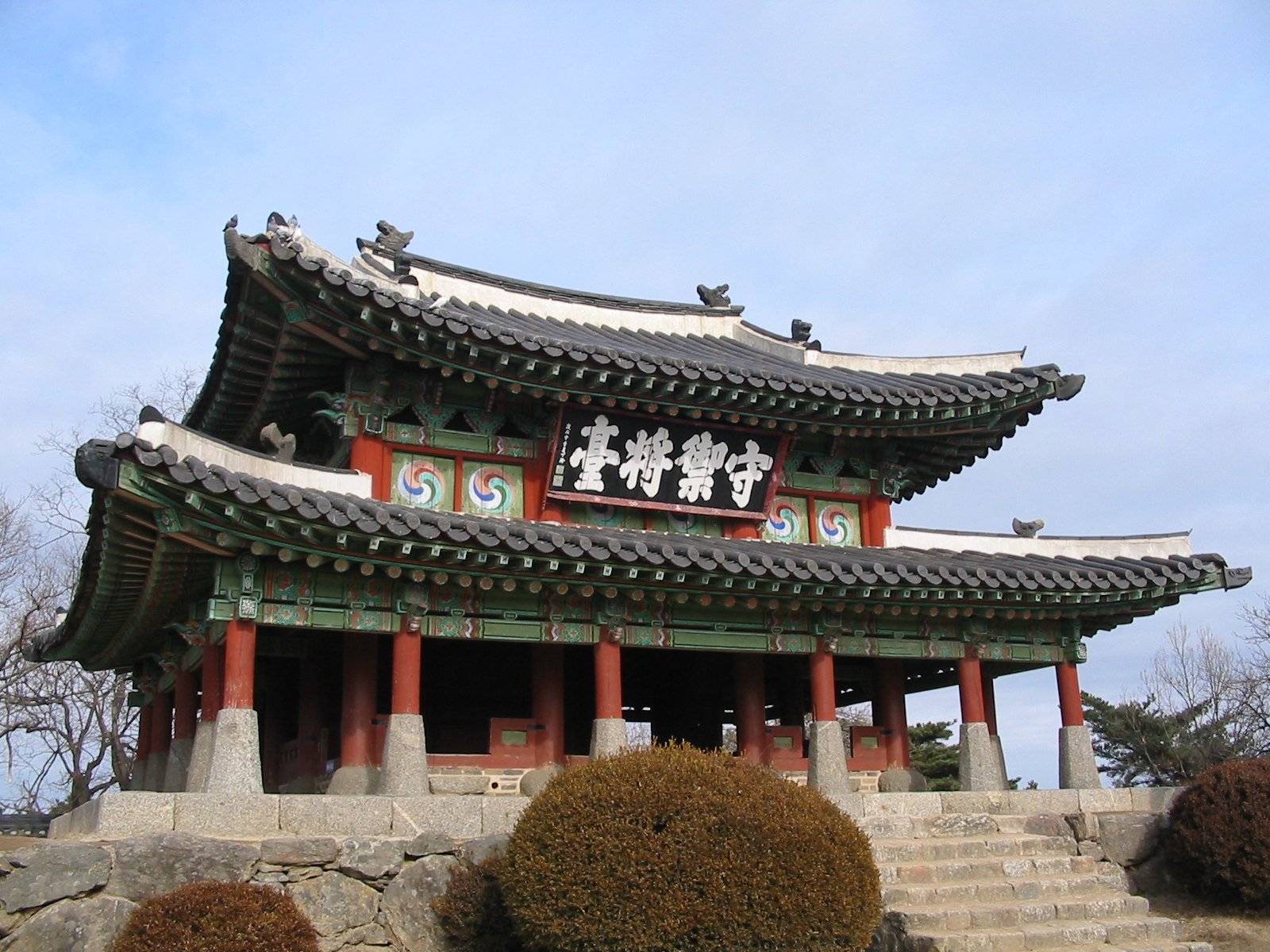
Guarding the southern edge of Seoul, Gwanaksan (관악산) is a rugged, rocky mountain beloved by local hikers — a granite peak with sweeping city views, a cliff-perched Buddhist hermitage, and trails ranging from gentle valley walks to challenging scrambles. Rising behind Seoul National University, it's a satisfying half-day escape into nature on the city's south side.
This is the complete 2026 guide.
Quick Facts
- What: A granite mountain (~632m) on Seoul's southern border
- Where: Gwanak-gu (Seoul) / Gwacheon & Anyang (Gyeonggi) border
- Open: Daytime (start early for the summit)
- Admission: Free
- Difficulty: Moderate–hard (rocky; easier valley routes available); 3–5 hrs
- Nearest access: Seoul National University Station (Line 2) + walk to trailhead
Why Hike It
Gwanaksan is one of Seoul's "guardian mountains," a craggy granite massif topping out at ~632m (Yeonjudae peak). It's a favorite among Seoul hikers for its dramatic rock formations, ridge scrambles, and panoramic views over the city and the Han River. Cultural highlights include the Yeonjuam hermitage and Yeonjudae, a small temple dramatically perched on a cliff near the summit. With multiple routes — from family-friendly valley trails to demanding rocky climbs — there's a Gwanaksan hike for most fitness levels.
How to Get There
- Seoul National University (SNU) side: Seoul National University Station (Line 2), then a bus/walk to the SNU/Gwanaksan trailhead — the most popular start.
- Gwacheon side: Gwacheon Station (Line 4) for routes from the south (near Seoul Grand Park).
- Sadang side: Sadang Station (Lines 2 & 4) for ridge approaches.
What to See & Do
The Summit (Yeonjudae)
The rocky summit area offers panoramic views over Seoul, the Han River, and surrounding peaks — a rewarding payoff after the climb.
Yeonjuam Hermitage & Yeonjudae
A historic Buddhist hermitage and the cliffside Yeonjudae shrine near the top — atmospheric and scenic.
Rock Formations & Ridges
Gwanaksan is known for its granite crags and ridge scrambles — exciting for experienced hikers (some sections use ropes/handrails).
Valley & Forest Trails
Gentler valley routes (e.g., from the SNU side) suit those wanting an easier walk with streams and forest.
When to Visit
- Autumn: Foliage on the slopes — spectacular.
- Spring: Fresh greenery and mild weather.
- Early morning: Cooler and safer for the longer/rocky routes.
- Clear days: Best city and river views from the top.
- Avoid icy winter scrambles without proper gear.
A Suggested Plan
8:30 AM — Seoul National University Station; head to the trailhead. 9:00 AM — Ascend via a valley-to-ridge route toward the summit. 11:30 AM — Yeonjudae cliff shrine and summit views. 1:00 PM — Descend; late lunch near SNU or Sadang. Afternoon — Recover with a café or, if energy allows, nearby sights.
What to Combine With
- Seoul National University area — cafés and food after your hike.
- Seoul Grand Park (Gwacheon side) — zoo, theme park, and MMCA Gwacheon.
- Sadang/Isu — transit hub with dining.
- Nakseongdae Park — historic park near the SNU side.
- Other Seoul peaks — Bukhansan, Inwangsan for more hiking.
Tips From Repeat Visitors
- Wear proper hiking shoes — Gwanaksan is rocky and steep in places.
- Choose your route — valley trails (easier) vs ridge scrambles (harder).
- Start early — give yourself time for the longer summit routes.
- Bring water, snacks, and a layer — limited facilities up high.
- Use crampons in winter — granite gets icy and dangerous.
- Go in autumn for the best foliage and views.
Frequently Asked Questions
How high is Gwanaksan? About 632m at its Yeonjudae summit, on Seoul's southern border.
How hard is the hike? Moderate–hard — rocky with some ridge scrambles, taking 3–5 hours; gentler valley routes exist for easier walks.
How do I get there? Seoul National University Station (Line 2) for the most popular trailhead; Gwacheon (Line 4) or Sadang (Lines 2 & 4) for other routes.
Is it free? Yes — the trails are free.
What's the cultural highlight? The Yeonjuam hermitage and the cliffside Yeonjudae shrine near the summit.
When is the best time to hike? Autumn for foliage and spring for mild weather; start early and avoid icy winter scrambles without gear.
Final Thoughts
Gwanaksan is Seoul's rugged southern peak — granite crags, ridge scrambles, a cliff-perched hermitage, and panoramic city views, all reachable by subway. Pick a route to match your fitness, wear good shoes, and start early; whether you tackle the rocky summit or a gentler valley trail, it's a rewarding nature escape on the city's south side.