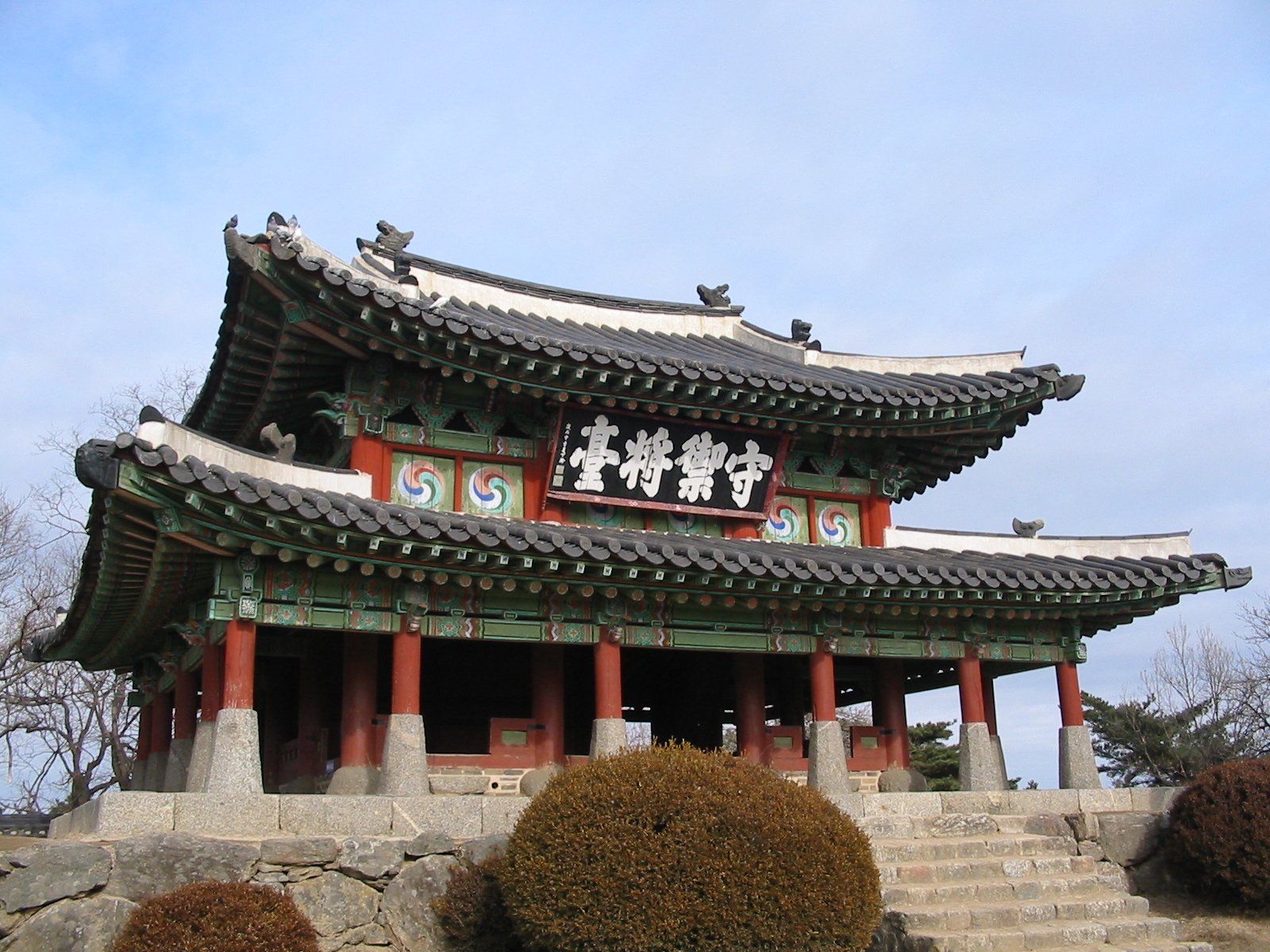
A short trip southeast of Seoul, Namhansanseong (남한산성) is a UNESCO World Heritage mountain fortress — kilometers of ancient stone walls winding through forested ridges, dotted with gates, temples, and historic sites, all wrapped around a charming village famous for its rustic Korean food. It's a perfect blend of hiking, history, and hearty dining just outside the capital.
This is the complete 2026 guide.
Quick Facts
- What: A UNESCO-listed mountain fortress with walls, gates, and a village
- Where: Gwangju/Seongnam, Gyeonggi-do — southeast of Seoul
- Open: Park/walls always accessible; sites & shops daytime
- Admission: Park entry largely free; some sites/parking small fees
- Best for: Wall hikes, history, autumn foliage, rustic Korean food
- Getting there: ~1 hour from Seoul (Line 8 + bus, or car)
Why Visit
Namhansanseong ("South Han Mountain Fortress") served as an emergency capital during the Joseon dynasty and is one of Korea's best-preserved mountain fortresses — earning UNESCO World Heritage status. You can walk the fortress walls for kilometers through beautiful forest, passing four main gates, command posts, temples, and shrines, with viewpoints over the surrounding mountains and Seoul in the distance. The fortress village is also famous for traditional Korean restaurants (especially rustic dishes and makgeolli), making it a great day out combining nature, history, and food.
How to Get There
- By subway + bus: Take Line 8 to Sanseong Station, then a local bus (e.g., bus 9) up to the Namhansanseong village/fortress.
- By car: ~1 hour from central Seoul; parking near the village.
- Use Naver/Kakao Map for the bus connection and trailheads.
What to See & Do
Walk the Fortress Walls
The highlight — kilometers of restored stone ramparts winding over forested ridges. Choose a short loop or a longer circuit; trails connect the gates and viewpoints. Mostly moderate with some hills.
The Four Main Gates
Nammun (south), Bukmun (north), Dongmun (east), and Seomun (west) — grand fortress gates, each a scenic landmark. Seomun offers great sunset views toward Seoul.
Sujangdae & Command Posts
Historic command posts (like Sujangdae) and shrines along the walls tell the fortress's story.
Temples & Historic Sites
Buddhist temples (such as Janggyeongsa) and historic buildings dot the fortress grounds.
The Village & Food
The fortress village is famous for rustic Korean restaurants — try dotori-muk (acorn jelly), pajeon, and makgeolli, or hearty meat and stew dishes after your walk.
When to Visit
- Autumn (Oct–Nov): Spectacular foliage along the walls — the best season.
- Spring: Fresh greenery and mild weather.
- Sunset: Seomun (west gate) area for views toward Seoul.
- Weekends: Lively but busier; weekdays are calmer.
A Suggested Plan
9:30 AM — Line 8 to Sanseong Station + bus to Namhansanseong village. 10:00 AM — Walk a fortress wall loop (e.g., via Nammun and Sujangdae). 12:00 PM — Viewpoints toward Seoul; visit a temple. 1:00 PM — Rustic Korean lunch (dotori-muk, pajeon, makgeolli) in the village. 2:30 PM — More walls or the Seomun gate for afternoon views; return to Seoul.
What to Combine With
- The fortress village restaurants — famous rustic Korean food.
- Seongnam / Pangyo — modern city areas on the way back.
- Lotte World Tower (Jamsil) — accessible via Line 8.
- Other Gyeonggi day trips — by car.
Tips From Repeat Visitors
- Wear hiking shoes — the walls involve hills and uneven stone.
- Go in autumn for the best foliage along the ramparts.
- Eat in the village — the rustic restaurants are a highlight.
- Choose your loop length — short scenic sections or a longer circuit.
- Time Seomun for sunset toward Seoul.
- Bring water — limited facilities on the longer wall sections.
Frequently Asked Questions
Is Namhansanseong worth visiting? Yes — it's a UNESCO World Heritage mountain fortress with scenic wall hikes, historic gates, temples, and a village famous for rustic Korean food, all near Seoul.
Is it free? Park entry and wall walking are largely free; some sites and parking have small fees.
How do I get there from Seoul? Line 8 to Sanseong Station plus a local bus, or ~1 hour by car.
How hard is the wall hike? Moderate — hills and uneven stone, but you can choose shorter or longer loops.
When is the best time to visit? Autumn for foliage; spring for mild weather; sunset at the west gate (Seomun).
What food is the village known for? Rustic Korean dishes like dotori-muk (acorn jelly), pajeon, and makgeolli, plus hearty meat and stews.
Final Thoughts
Namhansanseong is a UNESCO gem on Seoul's doorstep — ancient fortress walls winding through forested ridges, grand gates, temples, and a village renowned for rustic Korean food. Walk the ramparts (especially in autumn), refuel on dotori-muk and makgeolli, and time the west gate for sunset; it's one of the best history-and-nature day trips from the capital.