South Korea is having a moment. National Geographic named it one of the best destinations of 2026, K-content keeps drawing millions, and a wave of new attractions — from supertall observatories to coastal beach trains — has reshaped the bucket list. If you're planning your first trip and want to know exactly which sites are worth your time, this is the guide.
These are the 30 most popular Korea attractions in 2026, ranked by a mix of visitor numbers, cultural importance, photo-worthiness, and what locals actually recommend.
Quick Facts
- Best season: Spring (April–early June) and Autumn (September–early November)
- Top region for first-timers: Seoul (Gyeonggi) → Busan (Gyeongsang) → Jeju
- Average days needed: 7 days minimum to cover Seoul + Busan; 10 days to add Jeju
- Tickets: Most palaces ₩3,000; many attractions free
- Transit: KTX bullet train + intra-city subway covers 90% of these
How We Ranked
We weighed:
- Annual visitor counts (where published)
- Cultural and historical significance
- Repeat visitor recommendation rate
- Photogenic / "did you go to Korea?" recognition factor
- Accessibility for international travelers
The Top 30 Korea Attractions
Tier 1: Korea's Iconic Bucket-List Spots
1. Gyeongbokgung Palace (경복궁) — Seoul
The largest and most iconic palace of the Joseon dynasty. Watch the changing-of-the-guard ceremony and rent hanbok for free entry.
- Why it's #1: Korea's most photographed site
- Don't miss: Hyangwonjeong Pavilion + the Royal Throne Hall
- Time needed: 2–3 hours
- Station: Gyeongbokgung (Line 3, Exit 5)
2. N Seoul Tower (남산서울타워) — Seoul
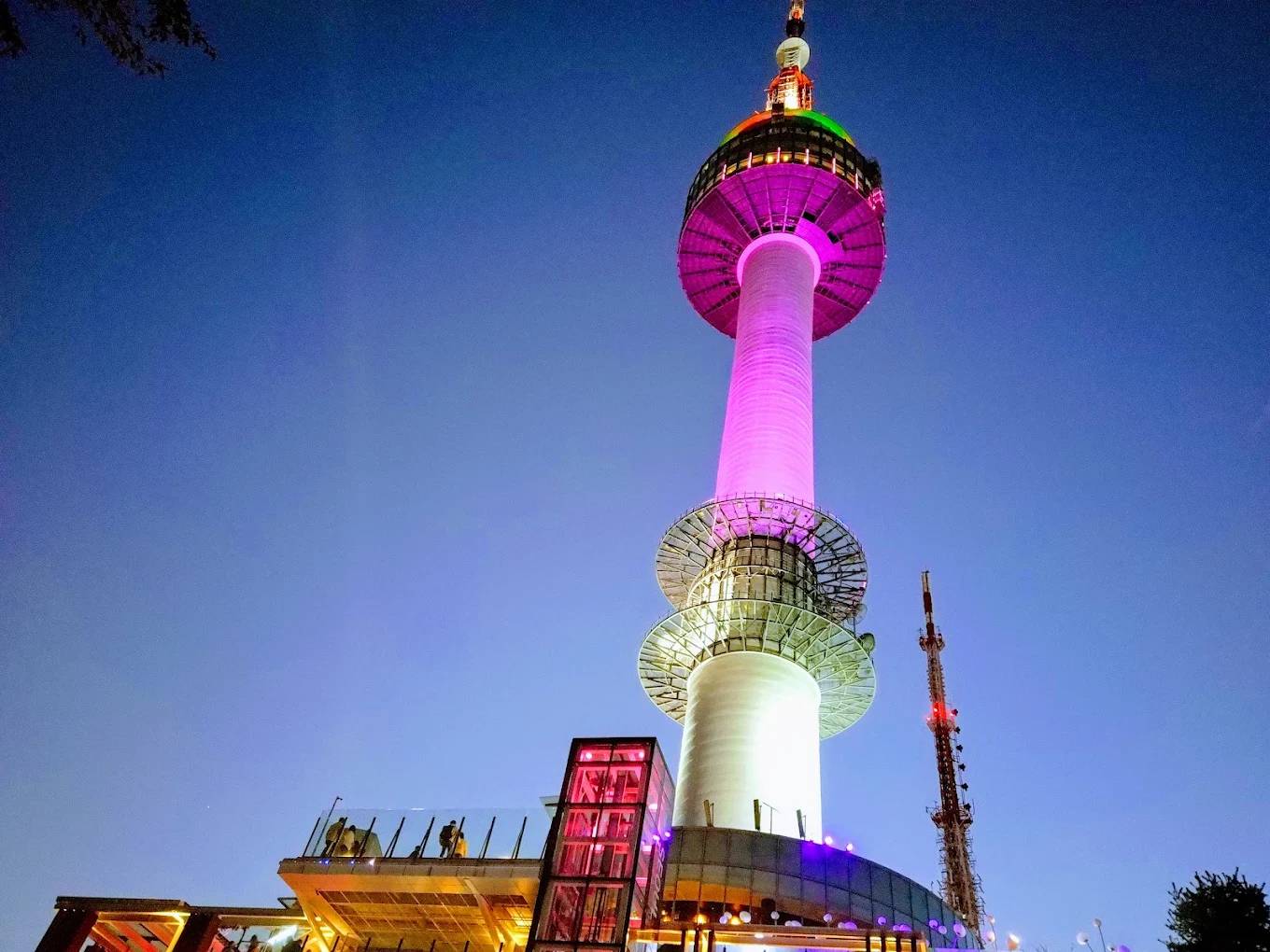
The 236m tower atop Namsan offers Seoul's most famous panorama. The cable car ride up is iconic.
- Why it's iconic: Featured in countless K-dramas
- Don't miss: Locks of love + sunset deck
- Time needed: 2 hours including cable car
- Best at: Sunset
3. Bukchon Hanok Village (북촌한옥마을) — Seoul
600+ traditional Korean houses (hanok) on a hill between two palaces. The most authentic Joseon-era street still standing.
- Why iconic: Korea's most photogenic neighborhood
- Don't miss: The "8 scenes" viewpoints
- Tip: Visit before 10 AM — residents live here, quiet hours after 5 PM
- Station: Anguk (Line 3, Exit 2)
4. Myeongdong Shopping Street (명동) — Seoul
Korea's flagship shopping district — K-beauty, fashion, street food. Re-energized in 2024–2025 after COVID.
- Why iconic: The face of urban Seoul shopping
- Don't miss: Street food at night (tornado potato, hotteok, lobster cheese)
- Station: Myeongdong (Line 4, Exit 6/7)
5. Bulguksa Temple & Seokguram Grotto (불국사·석굴암) — Gyeongju
A pair of UNESCO World Heritage sites — the most beautiful Buddhist temple in Korea + the most exquisite stone Buddha.
- Why iconic: UNESCO + 1,200 years old
- Tip: Pair with Gyeongju historic ruins for a full day
- Time needed: Half-day
6. Haeundae Beach (해운대해수욕장) — Busan
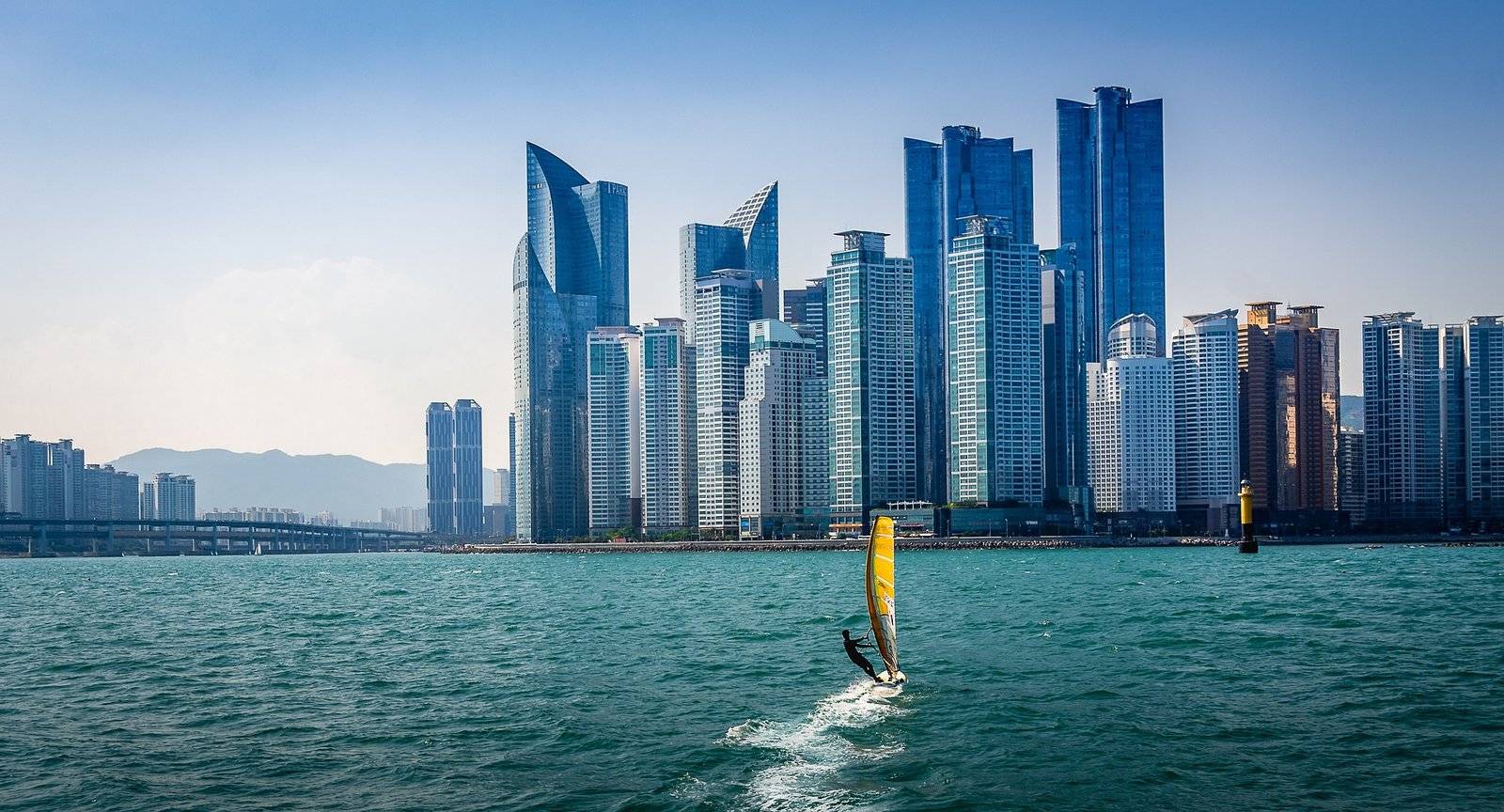
Korea's most famous beach — 1.5 km of sand, skyscrapers behind, BBQ joints to the south.
- Why iconic: The face of Busan
- Don't miss: Blueline Park beach train (#34 in this list)
- Best in: Summer + autumn
7. Jeju Island (제주도) — South of mainland
A volcanic island the size of Long Island. UNESCO Geopark with lava tubes, waterfalls, beaches, and Hallasan (Korea's highest peak).
- Why iconic: Korea's "Hawaii"
- Don't miss: Seongsan Sunrise Peak, Hallasan Mountain, Manjanggul lava tube
- Time needed: 3–5 days
8. DMZ & JSA (비무장지대) — North of Seoul
The Korean Demilitarized Zone — the most fortified border on Earth. JSA tours include stepping into North Korea inside the blue conference hut.
- Why iconic: Surreal, sobering, completely unique
- Booking: Pre-book; passport required
- Time needed: Full-day tour from Seoul
9. Lotte World Tower & Seoul Sky (롯데월드타워) — Seoul
The 555m supertall tower. Seoul Sky observatory on floors 117–123 is Korea's highest viewpoint with a glass sky deck.
- Why iconic: Seoul's tallest, plus reflection in Seokchon Lake
- Don't miss: Seoul Sky at sunset; Seokchon Lake cherry blossoms in spring
- Station: Jamsil (Line 2/8)
10. Gamcheon Culture Village (감천문화마을) — Busan
Pastel-painted hillside houses, Busan's "Santorini." Originally a Korean War refugee village, now an art project.
- Why iconic: Busan's most photographed
- Don't miss: Little Prince statue overlook
- Tip: Steep walks — wear good shoes
- Time needed: 2–3 hours
Tier 2: Cultural Heart of Korea
11. Changdeokgung Palace & Secret Garden (창덕궁 후원) — Seoul
The most beautifully preserved Joseon palace. UNESCO listed. The Secret Garden (Huwon) requires advance booking and is breathtaking.
- Don't miss: Huwon guided tour
- Tip: Book Huwon online ~2 weeks ahead in spring/autumn
12. Insadong (인사동) — Seoul
Korea's antique and traditional craft district. Tea houses, calligraphy, hanji paper, pottery, Buddhist art.
- Don't miss: Ssamzigil mall + traditional tea ceremony
13. Jongmyo Shrine (종묘) — Seoul
UNESCO Royal Confucian Shrine. Quieter than the palaces, profoundly atmospheric.
14. Hanok Stay in Jeonju (전주한옥마을)
Korea's largest hanok village in Jeonju city + birthplace of bibimbap. Stay overnight in a hanok.
- Time needed: Overnight or day-trip from Seoul (~2 hr KTX)
15. Andong Hahoe Folk Village (하회마을)
UNESCO traditional village with thatched-roof homes. Famous for mask dance.
- Time needed: Day trip from Seoul or overnight
16. Suwon Hwaseong Fortress (수원화성) — Suwon
A UNESCO 18th-century fortress — 5.7 km of walkable walls, gates, and pavilions, one hour south of Seoul.
17. Korean Folk Village (한국민속촌) — Yongin
A living museum recreating a Joseon-era town. Performances, traditional crafts, food.
Tier 3: Modern Korea — Tech, Pop, Architecture
18. Dongdaemun Design Plaza (동대문DDP) — Seoul
Zaha Hadid's flagship — Korea's most iconic modern building. Hosts fashion week, exhibits.
19. Starfield Library (스타필드 도서관) — COEX Mall, Seoul
The viral 13m-tall double-height library inside COEX Mall. Free, central, instagram-famous.
20. Hongdae Walking Street (홍대 걷고싶은거리) — Seoul
The youth culture epicenter — buskers, indie cafés, K-pop dance covers, street fashion.
21. Ikseondong Hanok Village (익선동) — Seoul
Hanoks turned trendy cafés, bars, restaurants. Near Jongno, central.
22. K-Pop Tour: HYBE / SM / YG / JYP HQs
For K-pop fans, a tour of the major label headquarters in Yongsan, Seongsu, and Hapjeong.
23. SMTOWN @ COEX (SM Entertainment Museum)
Official SM museum + merchandise + holographic concerts.
Tier 4: Nature & Adventure
24. Seoraksan National Park (설악산국립공원)
Korea's most beautiful national park — granite peaks, autumn foliage, the famous Ulsanbawi rock.
- Best season: October (Korea's #1 autumn foliage destination)
- Time needed: Full day or overnight from Seoul
25. Hallasan National Park (한라산) — Jeju
Korea's highest peak (1,950m). Day-hike summit possible in 8–10 hours.
26. Bukhansan National Park (북한산) — Seoul
Korea's most-visited national park (per square meter, the most-visited national park on Earth). Granite peaks accessible by subway from central Seoul.
27. Songaksan & Yongmeori Coast (송악산·용머리) — Jeju
Coastal trails along volcanic cliffs.
28. Boseong Green Tea Fields (보성녹차밭)
Cascading green tea terraces in southern Korea. Most photogenic in late spring.
29. Damyang Bamboo Forest (담양 죽녹원)
Walking paths through dense bamboo. Best at golden hour.
30. Haeundae Blueline Park Beach Train (해운대 블루라인파크) — Busan
Coastal beach train + sky capsule. Newest must-do experience in Korea (opened 2020, exploded in popularity 2023+).
Suggested Korea Itineraries (2026)
7-Day First Timer
- Days 1–4: Seoul — Palaces, Bukchon, Myeongdong, Hongdae, Lotte Tower, DMZ tour
- Day 5–6: Busan (KTX 2.5h) — Haeundae, Gamcheon, Beach Train
- Day 7: Gyeongju day trip from Busan — Bulguksa + Seokguram
10-Day Classic Korea
- Days 1–4: Seoul
- Day 5: Suwon Hwaseong + Korean Folk Village
- Days 6–7: Busan
- Day 8: Gyeongju
- Days 9–10: Jeju Island
14-Day Deep Korea
- Adds Andong, Jeonju, Boseong, Damyang, Seoraksan
When to Visit Korea
Spring (Apr–early Jun)
- Cherry blossom peak: April 7–12 in Seoul (2026 forecast)
- Mild weather, longer days
- Most popular travel season
Autumn (Sep–early Nov)
- Foliage peak: late October–early November
- Crisp, clear weather
- Tied with spring as best time
Summer (Jul–Aug)
- Hot, humid, monsoon late July
- Beach season at Haeundae and Jeju
- Festivals: Boryeong Mud, Busan Sea
Winter (Dec–Feb)
- Cold, dry, occasional snow
- Best for: ski resorts (Pyeongchang), hot springs, fewer crowds
- Holiday illuminations across cities
Tips From Locals
- Get a T-money card at any 7-Eleven — works on subway, bus, taxi, convenience stores nationally.
- Use Naver Map and KakaoMap, not Google Maps — Google's transit data in Korea is incomplete.
- KTX from Seoul to Busan takes 2.5 hours; book ahead online or via Korail app.
- Most palace tickets are ₩3,000 — buy a Combination Ticket (₩10,000) for entry to four palaces + Jongmyo + the Secret Garden.
- Wear hanbok at any palace for free entry (rentals everywhere — Gyeongbokgung area, ₩15,000–25,000 for 4 hours).
- Tax refund at airport for any single-store purchase ≥ ₩30,000 (foreign passport).
- Bring a converter — Korea uses Type C/F plugs, 220V.
- Book DMZ tours 2–3 days in advance. No walk-up.
- Avoid Jeju in monsoon (late July) — flights and ferries get cancelled.
Frequently Asked Questions
What is the #1 most visited attraction in Korea? Gyeongbokgung Palace in Seoul leads in international tourist visits, with over 7 million visitors annually pre-COVID.
Is one week enough for Korea? Enough for Seoul + 1 day-trip + 2 days in Busan. To add Jeju, you'll want 10 days.
Should I visit Seoul or Busan first? Most travelers fly into Seoul (Incheon) — start there, KTX down to Busan, fly home from Busan or back to Seoul.
Is the DMZ safe? Yes — daily licensed tours, no incidents. Strict dress code, bring passport.
Is Jeju worth the side trip? Yes if you have 10+ days. If only 7, prioritize mainland (Seoul + Busan + Gyeongju).
What's the best for foodies? Busan for seafood, Jeonju for bibimbap, Seoul for variety, Andong for traditional Joseon cuisine.
Are there entry fees for Korea attractions? Most palaces ₩3,000. Many parks, neighborhoods, and even DDP are free. Major experiences (Seoul Sky, Beach Train, Lotte World) ₩20,000–₩30,000.
Can I do Korea on a budget? Yes — Korea is mid-priced for Asia. Mid-range $80–120/day; luxury $200+; budget $40–60.
Is English widely spoken? At major attractions and hotels, yes. Outside, signs are in Korean only — Naver Map and Google Translate handle the rest.
What should I not miss in Korea? A palace, a hanok village, a national park, a beach, and at least one Korean BBQ meal.
Final Thoughts
South Korea in 2026 is one of the most rewarding destinations in Asia — fast trains, world-class food, layers of history alongside hyper-modern design, and a tourism infrastructure built for travelers. Use this list as a menu, not a checklist: pick the 6–8 attractions that match your interests (palaces, beaches, K-pop, hiking, food), and leave room for the unplanned cafés, alleyway dinners, and convenience-store breakfasts that turn out to be everyone's favorite memory.
If you can only do five: Gyeongbokgung, Bukchon, Lotte World Tower, Haeundae Beach, Bulguksa. Those five alone are worth the flight.